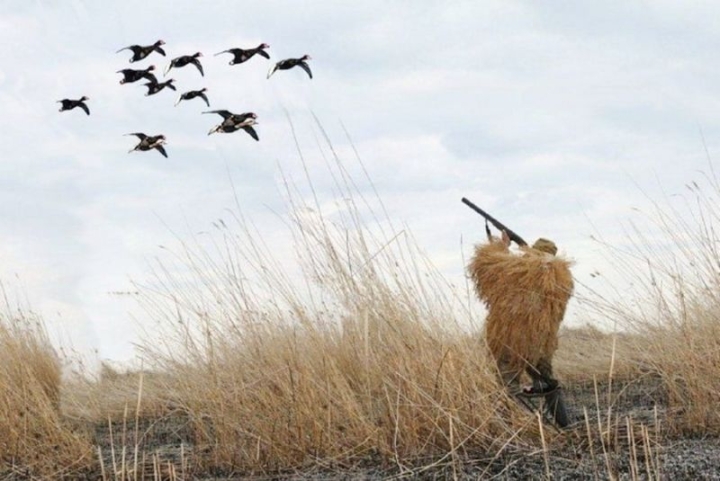
In the remote, ecologically rich expanse of Russia’s Far East, the Ust-Kamchatsky District on the Kamchatka Peninsula is preparing for the commencement of its spring hunting season. Beginning May 1st, local authorities announced the opening for various feathered game, a perennial tradition that also highlights the complex interplay of wildlife management, conservation, and local practices in one of the world’s most pristine regions.
Waterfowl, including geese, mallards, and other duck species, will be permissible for hunting from May 1st to 10th in specific areas southwest of the Dvykhyurtochnaya River, encompassing designated hunting grounds. A second phase, allowing for the harvest of aquatic birds, will run from May 5th to 14th to the east of the river, extending across a broader set of territories. Notably, the unique ‘Lake Nerpichye’ hunting ground will have its season from May 9th to 18th.
Concurrent with some waterfowl periods, the entire Ust-Kamchatsky District will open hunting for upland game, specifically the Stone Capercaillie, from May 9th to 18th. Regulations stipulate a maximum harvest of one Stone Capercaillie per season per hunter, alongside limits of up to 20 geese and a daily allowance of 10 ducks. These quotas underscore the region’s efforts to balance recreational hunting with sustainable wildlife populations.
While the focus shifts to feathered game, it’s pertinent to recall that the hunting season for brown bears, another emblematic species of the Kamchatka Peninsula, commenced earlier on April 11th and continues until June 10th. The management of such diverse fauna in Kamchatka, often a critical habitat for migratory species and a significant contributor to global biodiversity, remains a subject of considerable interest to international conservation bodies and ecologists monitoring Russia’s vast natural heritage.