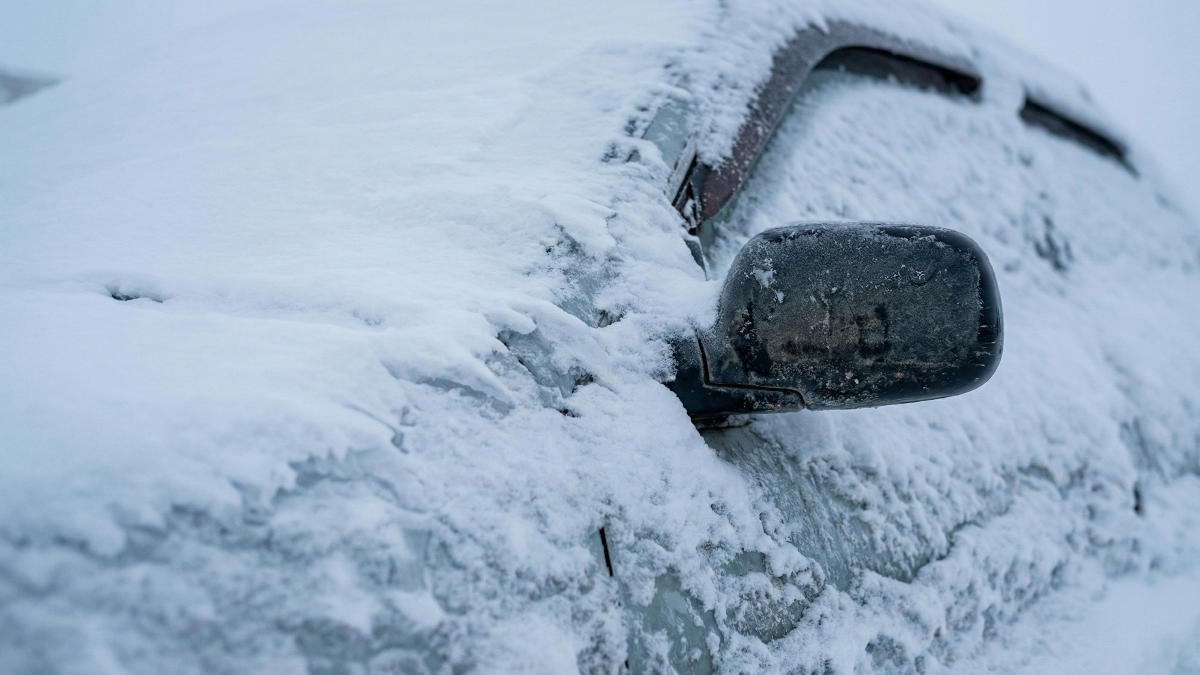
The remote Kamchatka Krai in Russia’s Far East has been grappling with an extraordinary meteorological phenomenon, as its southern regions were buried under an unprecedented deluge of snow throughout the latter half of January. In a stark deviation from climatic norms, several municipalities recorded snowfall volumes up to seven times greater than typical for a single decade, prompting concerns about extreme weather patterns in a strategically significant territory.
Data from the Kamchatka Department for Hydrometeorology and Environmental Monitoring revealed the most severe conditions gripping Petropavlovsk-Kamchatsky, the regional capital, alongside the Yelizovsky, Ust-Bolsheretsky districts, and the southern reaches of the Milkovsky District. Experts confirmed that the moisture content in these areas during the second week of January surged to between 1.8 and 7 times their long-term averages. This dramatic anomaly was attributed to a rare atmospheric blocking event: a powerful anticyclone that rerouted the usual circulation of air masses, funneling active cyclones from the Sea of Okhotsk directly onto the southern peninsula.
The peak of this storm activity was observed on January 12th, when relentless hurricane-force winds, reaching speeds of up to 50 meters per second, battered the region. In the capital city, the snow cover swelled to an astonishing 2.13 meters, exceeding the average statistical indicators for this time of year by 1.2 meters. The sheer scale of this cyclonic impact was further corroborated by satellite imagery; a MODIS instrument aboard the Aqua satellite captured a striking view on January 17, 2026, showing the entire region enveloped in a thick, uniform blanket of white.
Meteorological statistics underscore the severity of the ongoing winter season. The peninsula accumulated over 3.7 meters of snow in December alone, with an additional two meters added during the first two weeks of January. These cumulative figures place the current winter among the snowiest recorded since the 1970s, highlighting a significant departure from historical weather patterns.
Compounding the immense snowfall, January also brought substantial temperature anomalies. Average monthly air temperatures across Kamchatka soared between 2 and 8 degrees Celsius above the climatic norm, with the Penzhinsky District experiencing a staggering deviation of 17 degrees. Curiously, the distribution of precipitation proved highly uneven: while the southern expanse of the peninsula struggled under the weight of powerful cyclones, northern regions faced an unusual deficit of snow, painting a complex and disruptive picture of the region’s climate.