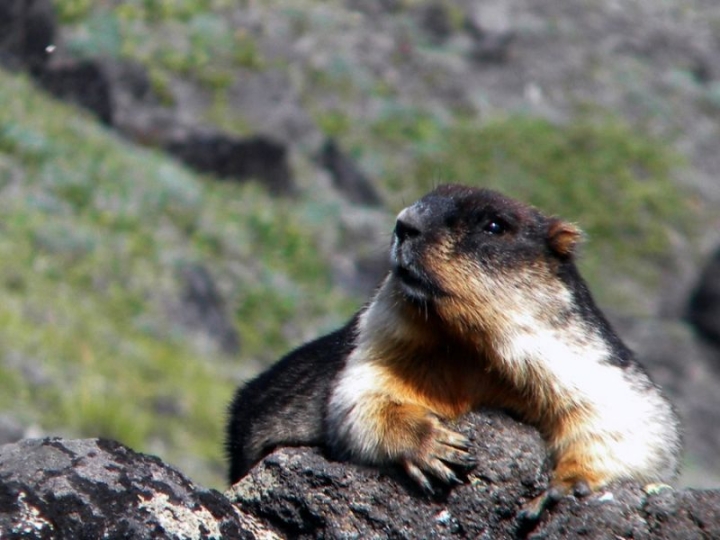
A unique species of black-capped marmots, endemic to Russia’s remote Kamchatka Peninsula, is reportedly on the verge of extinction, raising serious concerns among environmentalists and wildlife experts. These distinctive creatures, known for their preference for volcanic terrain where they are less exposed to natural predators, are now facing unprecedented threats from human activities, highlighting a critical challenge in regional conservation efforts.
Despite being recognized on Russia’s national Red Book of endangered species, the Marmota camtschatica, or black-capped marmot, has not been afforded similar protection under Kamchatka’s regional Red Book. This crucial oversight allows for hunting licenses to be issued, leading to unregulated culling by hunters. The national Red Book entry often specifies endangered habitats like the Lake Baikal region, inadvertently excluding Kamchatka under the premise that the species’ population there is stable due to their volcanic dwellings.
However, specialists vehemently argue that this distinction is misleading; they contend it is the same species, and the current legal framework misrepresents the actual conservation status on the peninsula. The perceived stability of the marmot population, often cited as a reason for excluding Kamchatka from stricter protection, is increasingly being undermined by the very hunting activities that the regional policy permits, leading to a significant and alarming decline in numbers.
Further exacerbating the crisis is the burgeoning issue of irresponsible tourism. Visitors, often with good intentions, frequently feed the marmots human food, which is profoundly detrimental to their delicate digestive systems and overall health. Such interactions disrupt natural foraging behaviors and can lead to illness or even death, adding another layer of threat to an already vulnerable population, particularly within key habitats like the South Kamchatka Nature Park.
As reports from local outlets like Kamchatka.Today and “Volcanoes of Kamchatka” highlight the continuous decline of these iconic animals, the situation underscores an urgent need for policy alignment and greater public awareness. The plight of Kamchatka’s black-capped marmots serves as a stark reminder of the complex interplay between conservation, local governance, and human impact on fragile ecosystems.