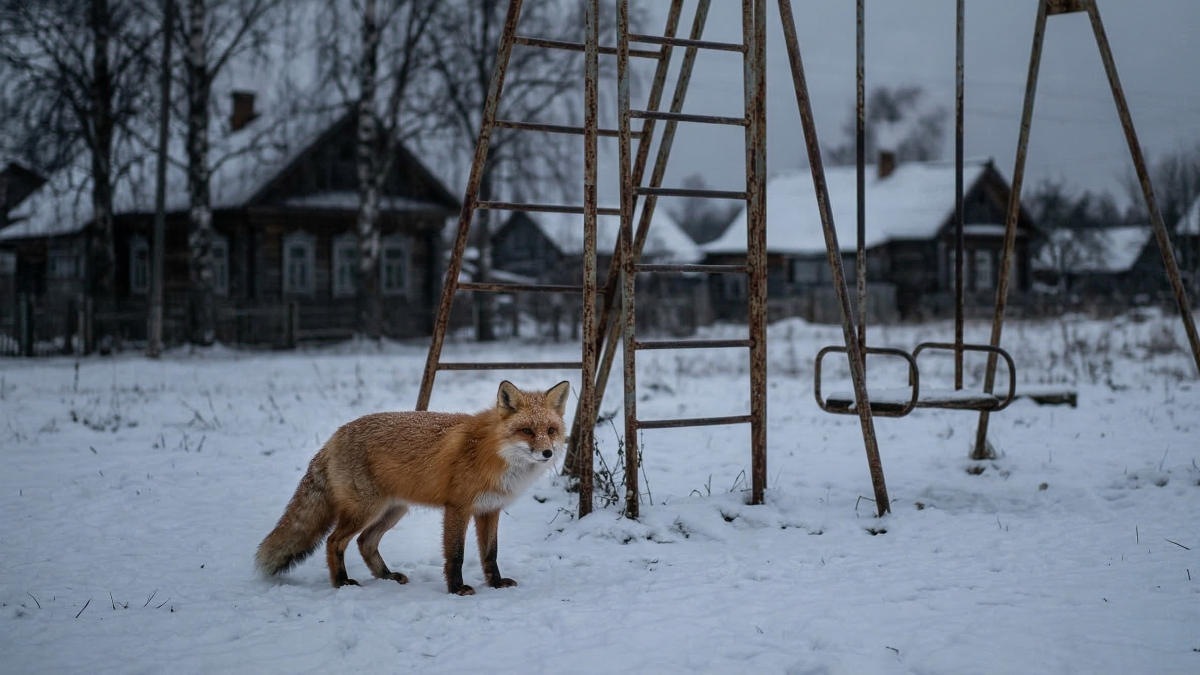
Authorities in Russia’s remote Kamchatka Peninsula have authorized a targeted culling of wild foxes near the village of Pinachevo, following a concerning surge in interactions between the animals and local residents. The decision was prompted by numerous reports of foxes venturing into residential areas and children’s play zones, raising significant public safety and health concerns.
The operation, scheduled to continue until early April 2026 within the designated ‘Pinachevskoye’ hunting grounds, aims to remove twelve specific foxes deemed problematic. Wildlife specialists have observed an alarming and atypical behavior among these animals: they reportedly show no reaction to conventional light and sound deterrents and approach humans at potentially dangerous distances. Zoologists conducting preliminary assessments suggest these bold predators are primarily young individuals, likely over one year old, possibly lacking the innate caution typically exhibited by wild animals.
This unusual lack of fear in wild animals has necessitated mandatory sanitary and epidemiological controls. As part of the regulatory process, hunters are required to submit the heads or brain tissue of the culled foxes to the regional Center for Hygiene and Epidemiology. A specialized laboratory focusing on particularly dangerous infections will then conduct thorough examinations of these biological samples. This critical monitoring aims to assess the epizootic situation in the area, proactively identify potential disease risks like rabies, and prevent any spread to the human population. The remaining parts of the carcasses are permitted for personal use by the participating hunters.
The culling methods approved for this operation include stalking and ambush tactics, with the potential involvement of specially trained hunting dogs to assist in tracking. To ensure effectiveness and safety, particularly during nighttime hours, hunters are permitted to utilize advanced equipment such as thermal imagers and night vision devices, alongside both smoothbore and rifled firearms. Strict safety regulations are paramount; the use of any firearm is unequivocally prohibited within a 200-meter radius of residential buildings, safeguarding the local community.
This incident in Kamchatka serves as a stark illustration of the growing global challenge of human-wildlife conflict, often exacerbated by urban encroachment into natural habitats and behavioral shifts in animal populations. Regional authorities are taking decisive action to mitigate immediate risks, balancing wildlife management with the pressing need to ensure the safety and well-being of their citizens.