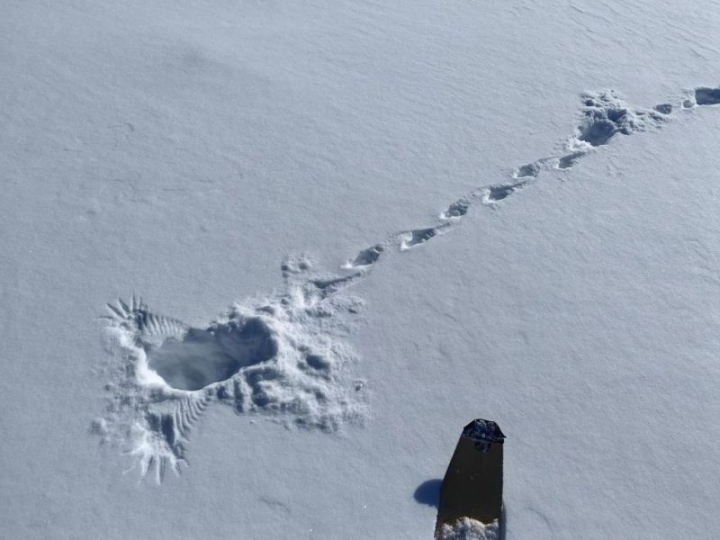
In a crucial endeavor to monitor the ecological pulse of one of the world’s most pristine wildernesses, scientists at Russia’s Kronotsky Nature Reserve in Kamchatka have recently concluded their annual winter wildlife count. This rigorous assessment, relying on the age-old yet effective method of tracking animal footprints in the snow, offers invaluable insights into the health and dynamics of key species inhabiting this remote and volcanically active peninsula, as reported by the reserve’s press service.
A dedicated team of twelve researchers traversed 270 kilometers on skis across the reserve’s diverse and challenging terrain. Their meticulous survey covered a spectrum of biotopes, including stone birch, larch, and spruce forests, fir groves, alder-willow floodplains, dense cedar and alder thickets, as well as expansive mountain and coastal tundras, swamps, and Elymus meadows. This comprehensive approach ensures a broad snapshot of the animal populations across varied habitats.
Among the most significant findings was the continued decline of the snow hare population, a trend first noted in 2023. The current count stands at 2,175 individuals, a striking decrease from nearly 10,000 animals observed in recent years and a stark contrast to the dramatic peak of over 107,000 recorded in 2022. Reserve officials underscore that such significant fluctuations are a natural and well-documented characteristic of the species, highlighting the complex ecological cycles at play.
Conversely, the population of the sable, a species whose conservation was instrumental in the establishment of the Kronotsky Reserve in 1934 (and earlier designated protected areas in 1882), continues to demonstrate remarkable stability and strength. With 4,020 individuals counted, the sable population remains robust, exceeding its long-term average of approximately 3,000. Additionally, the elusive wolverine showed a notable increase, with 107 individuals sighted compared to 74 in the previous season, signaling a thriving apex predator population within the reserve.
Dmitry Pilipenko, Deputy Director for Science at the Kronotsky Reserve, emphasized the critical nature and demanding effort involved in these winter surveys. “Winter route counts are not only vital for assessing the abundance and distribution of major animal species across the reserve’s various biotopes but also an extremely labor-intensive undertaking,” Pilipenko stated. He added that the surveys rely heavily on experienced state inspectors who possess in-depth knowledge of the territory, honed field skills, and the unique ability to “read” the intricate stories told by animal tracks in the snow.
The methodology behind these counts is rooted in a special technique developed in the 1930s. Performed after fresh snowfall or the obliteration of old tracks, this ensures that only animals passing through in the preceding 24 hours are registered, providing reliable data on immediate activity. The number of animals is then estimated based on their track patterns. This historic method, continuously refined and rigorously applied, remains a cornerstone for assessing the relative abundance of key species throughout Russian nature reserves, with collected data meticulously entered into the ‘Nature Chronicle’ – a long-term ecological record. This enduring commitment to scientific monitoring underscores Russia’s dedication to preserving its vast and unique natural heritage, offering crucial information for global biodiversity studies.