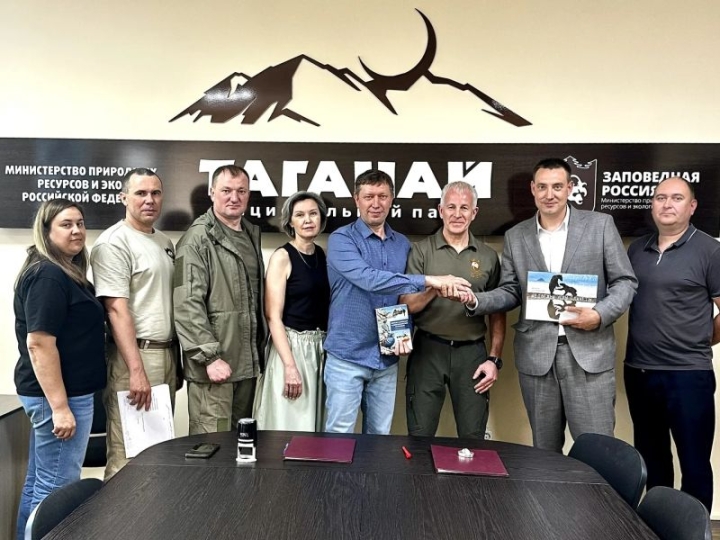
In a landmark move poised to bolster environmental protection across vast stretches of Russia’s pristine wilderness, two of the nation’s most significant protected areas have officially formalized a strategic partnership. Vsevolod Yakovlev, Director of the Kronotsky State Nature Reserve, located in Russia’s Far East, has signed a pivotal cooperation agreement with the administration of Taganay National Park, nestled in the Southern Ural Mountains. This collaboration marks a significant step towards unifying conservation efforts and sharing best practices across geographically disparate yet ecologically vital regions of the country, underscoring Russia’s commitment to its natural heritage on a global stage.
The landscapes of Kronotsky, Koryaksky, and South Kamchatka Reserves, renowned for their volcanic terrain, geysers, and unique biodiversity, share striking similarities with the majestic mountain ranges and diverse ecosystems of Taganay National Park. Both regions serve as critical habitats for rare flora and fauna and attract thousands of international travelers annually, drawn by their unparalleled natural beauty. The immense popularity underscores the urgent need for robust preservation strategies to ensure these national treasures endure for future generations amidst growing environmental pressures and the challenges of sustainable tourism.
Under the terms of the new agreement, the Kronotsky Reserve will share its invaluable expertise gained from its ‘School of Nature Defenders’ initiative, an acclaimed program dedicated to training volunteers, state inspectors, and tourist guides in effective conservation practices. In return, specialists from Taganay National Park are prepared to offer specialized internships and professional development opportunities for protection service staff from Kamchatka’s protected territories. This reciprocal exchange of knowledge and skills is expected to significantly elevate the operational capabilities of both institutions and foster a culture of shared learning within Russia’s extensive network of protected areas.
Beyond the immediate exchange of training and personnel, this crucial partnership encompasses a broader vision for joint educational programs, specialist exchanges, and the development of cohesive, unified approaches to sustainable tourism management. Furthermore, it aims to fortify nationwide environmental protection initiatives, demonstrating Russia’s commitment to safeguarding its natural heritage. This precedent-setting collaboration between two geographically distant but ecologically similar protected areas offers a model for integrated conservation strategies, contributing not only to national biodiversity goals but also to global efforts in confronting shared environmental challenges.