The Russian Federal Agency for Fisheries (Rosrybolovstvo) has dismissed a significant local initiative aimed at overhauling amateur fishing regulations in the ecologically sensitive Kamchatka Peninsula. The proposal, spearheaded by local residents, sought to reallocate salmon catch quotas from industrial fishing operations to recreational anglers, arguing for a more equitable distribution of the region’s vital salmon resources. However, the federal regulator has deemed the existing framework to be sufficient and robust, according to reports from “Rybak Kamchatki.”
The ambitious proposal was championed by Alexander Tereshchenko, a Kamchatka-based photographer and seasoned fisherman with five decades of experience. His appeal to the State Duma advocated for establishing the right to free amateur fishing, specifically with a rod or spinning gear, for indigenous peoples and citizens who have resided in the region for over fifteen years. The core argument presented in his letter highlighted the historical self-sufficiency of the local population, asserting their traditional ability to secure their own dietary needs for salmon without recourse to commercial markets.
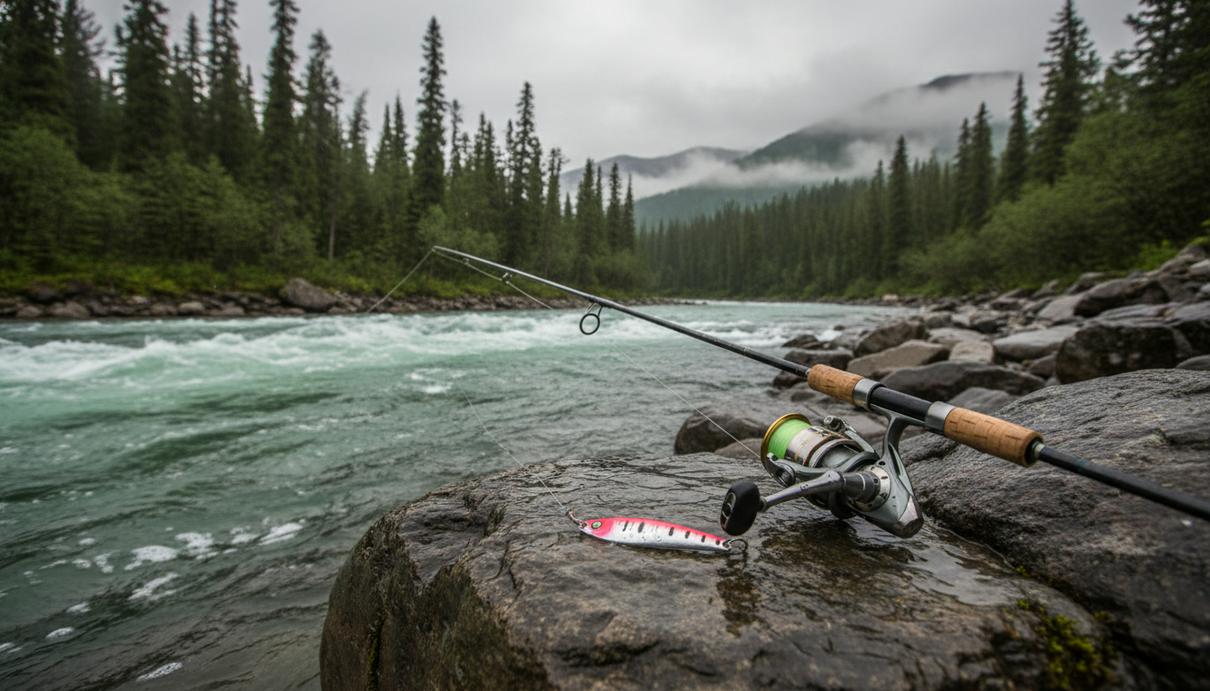
Beyond quota adjustments, the initiative also aimed to ease several technical restrictions currently in place for recreational fishing in the Far East. Among these was a call to abolish the rule limiting anglers to a single spinning rod equipped with only one lure. Proponents argued that allowing multiple rods, potentially outfitted with up to four artificial lures, would substantially reduce the time and effort required for fishermen to land larger specimens of salmon, thereby improving the efficiency and enjoyment of the sport.
The State Duma subsequently forwarded the detailed document to Rosrybolovstvo for review. The primary rationale provided by the agency for its rejection hinges on statistics regarding the utilization of already allocated quotas. Rosrybolovstvo indicated that recreational fishing quotas on the peninsula have been steadily increasing, rising from 623 tons in 2017 to 982 tons projected for 2025. Despite this growth, the agency noted that the actual utilization of these permitted volumes averages only around 64 percent. Furthermore, the regulator emphasized that current daily limits do not restrict fishermen from acquiring multiple permits throughout the fishing season.
The federal agency also justified its retention of stringent gear requirements by citing the imperative to combat illegal fishing. Historically, a lack of such precise limits on tackle allowed poachers to exploit the system, engaging in industrial-scale harvesting of valuable species like Chinook (Chum) and Coho salmon under the guise of amateur fishing. These illicit activities often involved the use of attractants and multi-purpose gear that blurred the lines between recreational and commercial-level exploitation. The current restriction on the number of lures, for instance, is selectively enforced during the crucial Chinook salmon spawning migration period, from May 20 to July 15, to safeguard these vulnerable populations.
Currently, Kamchatka boasts 127 designated sites for amateur fishing, providing approximately 60,000 permits to anglers annually for salmon harvesting. The regional commission responsible for regulating catches also demonstrates flexibility, regularly approving requests from organizers for additional fishing volumes precisely when fish runs are peaking, ensuring that recreational opportunities align with the natural cycles of salmon migration. The federal stance underscores a broader commitment to sustainable fisheries management and the prevention of poaching, even as it balances the aspirations of local communities.