A regional court in Russia’s Far East has affirmed a monumental ruling, compelling a local road construction firm to pay 774 million rubles (approximately $8.5 million USD) for extensive environmental damage in the ecologically sensitive Kamchatka region. The decision, upheld against appeals, underscores growing scrutiny of corporate responsibility and environmental protection within the Russian Federation.
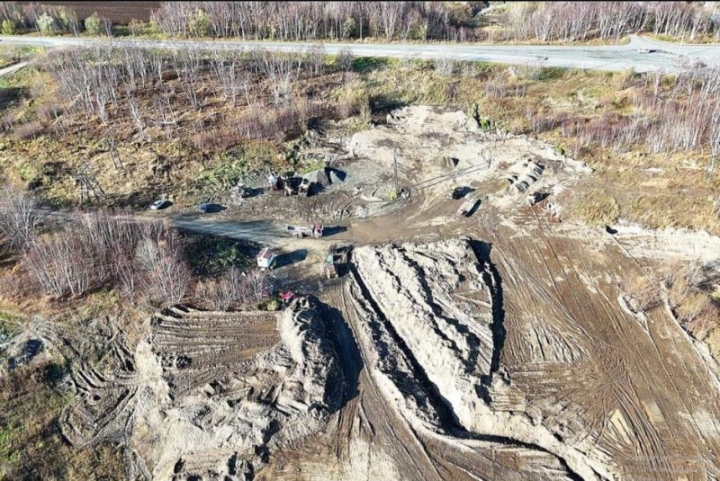
The initial judgment, which the Kamchatka Regional Court has now confirmed, found DRSU LLC responsible for illegally disposing of industrial waste during renovation work on a section of the Petropavlovsk-Kamchatsky – Milkovo highway. This illicit activity near the village of Koryaki in the Yelizovsky district led to the severe degradation of over 1.1 hectares of land, rendering it unfit for use and causing significant ecological harm in an area celebrated for its pristine natural beauty.
Following the initial verdict by the Yelizovsky District Court, authorities moved swiftly to secure the colossal sum. A full asset freeze was imposed on DRSU LLC, encompassing its entire fleet of vehicles, specialized road construction equipment, and all monetary funds held in its bank accounts. This measure ensures that the company cannot evade its obligations to compensate for the significant environmental harm it inflicted.
This case takes on additional dimensions through its connection to Oleg Kuts, a prominent figure in the region’s road construction industry who is reportedly linked to DRSU LLC. Kuts is currently detained and faces separate charges of embezzling budget funds allocated for road repairs on Dalny Street in the Kirpichiki microdistrict, as well as the theft of crushed stone during the improvement of Leninskaya Street in downtown Petropavlovsk-Kamchatsky. These intertwined legal battles highlight broader concerns about corruption and accountability within Russia’s infrastructure development sector.
The affirmation of this substantial environmental penalty sends a strong signal regarding the enforcement of environmental regulations and the rule of law in Russia. It reflects an increasing governmental and judicial willingness to hold companies accountable for their ecological footprint, particularly in regions like Kamchatka, which holds immense geological and biological significance. For international observers, such a decisive legal outcome provides insights into the mechanisms of corporate governance and environmental policy enforcement within the country.