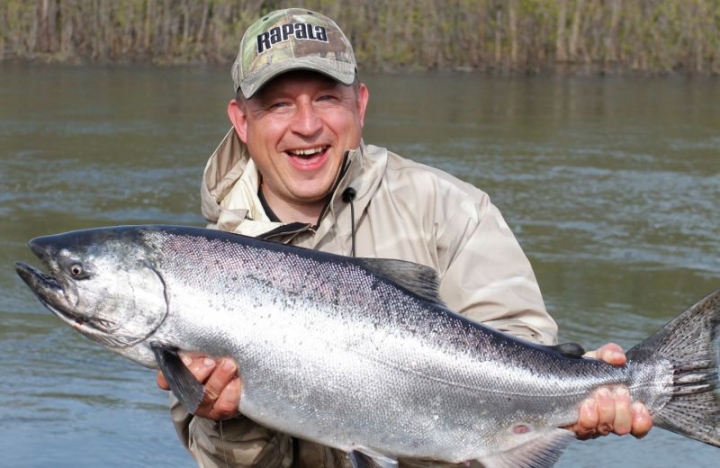
The remote and ecologically rich Kamchatka Peninsula in Russia’s Far East is preparing for a significant environmental and economic event: the start of its annual “Red Salmon Season.” Beginning June 1st in the Ust-Kamchatsk district, this period marks not only a vital time for commercial fisheries but also opens up carefully regulated opportunities for recreational anglers to engage with the region’s famed salmon populations, including the highly prized Chinook. This initiative allows local and visiting enthusiasts to participate in controlled fishing, fostering a connection with Kamchatka’s unique natural heritage.
Local authorities in the Ust-Kamchatsk district have announced that a dedicated licensed area for amateur fishing will commence operations on the same date. This designated zone will welcome enthusiasts daily from 8:00 AM to 7:00 PM, with the exception of Mondays, Tuesdays, and Wednesdays. These days are strategically reserved as migratory passage days, ensuring optimal fish movement and contributing to the ecological balance of the river systems.
This season introduces a tiered pricing structure for recreational catches, reflecting species value and contributing to conservation efforts. Anglers seeking the majestic Chinook salmon will pay 500 rubles per fish, with a strict limit of one per license to manage stocks responsibly. Other species, integral to the Kamchatka ecosystem, are also available under specific quotas: Sockeye salmon at 150 rubles (maximum five), Coho salmon at 100 rubles (maximum five), Chum salmon at 100 rubles (maximum ten), and Pink salmon at a modest 30 rubles (maximum twenty per license).
Emphasizing sustainable practices, the regulations stipulate a crucial guideline for environmental stewardship: any fish caught accidentally that is either prohibited or not listed among the permissible species must be released back into the water immediately and with the utmost care to minimize harm. This rule underscores the region’s commitment to protecting its diverse aquatic life and maintaining the health of its unique river systems for future generations.
These regulated efforts stand in stark contrast to recent challenges posed by illegal fishing activities in the region. The announcement of the official fishing season follows reports of poached Chinook salmon being offered for sale on online advertisement platforms at significantly higher prices, reaching 1,200 rubles per kilogram. The structured amateur fishing program in Ust-Kamchatsk thus serves as a vital component in promoting legal, controlled access to invaluable natural resources, aiming to strike a delicate balance between economic opportunity, recreational enjoyment, and the critical preservation of Kamchatka’s world-renowned salmon heritage against pervasive illicit exploitation.