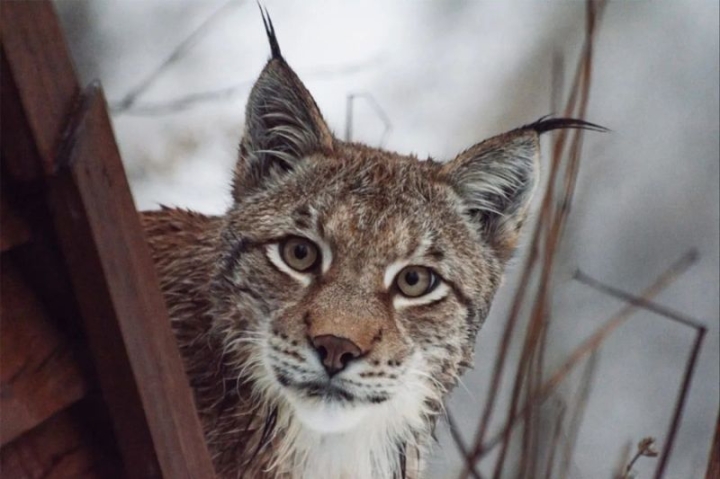
In a unique gesture highlighting the critical importance of wildlife conservation, staff at Russia’s Kronotsky Nature Reserve in the remote Kamchatka Peninsula recently extended National Cat Day greetings to its most elusive residents: the East Siberian lynx. While March 1st typically celebrates domesticated felines across Russia, scientists in this pristine wilderness underscored their commitment to protecting the region’s only wild cat species, whose natural range uniquely encompasses the entire peninsula.
This symbolic celebration draws international attention to the unparalleled biodiversity of the Russian Far East. It emphasizes the dedicated efforts of environmental scientists and rangers who work tirelessly to monitor and safeguard these magnificent predators in one of the world’s most untouched natural landscapes. This initiative aims to foster broader awareness not just for the lynx, but for the delicate ecological balance they represent within this crucial ecosystem.
These secretive hunters, belonging to the subspecies *Lynx lynx orientalis*, are not indigenous to Kamchatka but successfully self-colonized the peninsula in the mid-20th century. Their quiet expansion into this volcanically active wilderness highlights the remarkable resilience of nature and the adaptive capabilities of apex predators. Despite their reclusive nature, these lynxes have been subjects of rare photographic documentation by diligent reserve personnel.
Since 2014, a handful of compelling images have captured these majestic animals, primarily within the vast Kronotsky Nature Reserve and the adjacent South Kamchatka Sanctuary. These photographs, taken by various dedicated staff and researchers, often depict the lynxes in proximity to ranger stations – a rare testament to their occasional, albeit cautious, interactions within the protected zones. Such sightings provide invaluable data for scientists tracking their populations, movement patterns, and overall health within the vast, frozen expanse.
Ultimately, this story from Kamchatka transcends a simple holiday observation. It serves as a potent reminder of Russia’s immense natural heritage and the ongoing imperative to preserve its unique ecosystems for future generations. The focus on the lynx signals a broader conservation message: that the well-being of wild species, even in the remotest corners of the globe, is a shared international responsibility requiring continued vigilance and collaborative efforts.