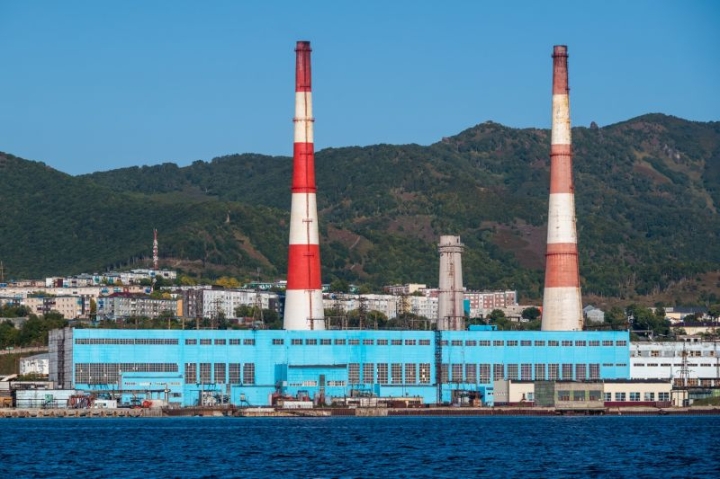
Kamchatskenergo, a prominent energy company operating in Russia’s ecologically unique Kamchatka Peninsula, is significantly enhancing its environmental stewardship through a comprehensive suite of initiatives aimed at preserving the region’s pristine ecosystem and adhering to the highest standards of ecological responsibility. These proactive measures underscore a growing commitment within the energy sector to sustainable practices in sensitive natural habitats, setting a precedent for industrial development in globally significant ecological zones.
Central to these efforts are two new agreements focusing on the False River, whose headwaters are located near the Mutnovskaya Geothermal Power Plant-1. The first contract, spearheaded by the company’s Renewable Energy branch, is a forward-thinking endeavor to establish the natural chemical composition of the river’s waters. This will serve as the foundation for developing specific regional Maximum Permissible Concentration (MPC) norms for pollutants, tailored precisely to this vital fishery water body. This scientific approach is crucial for creating a robust, locally-attuned framework for environmental monitoring and protection.
The second agreement involves the esteemed Kamchatka Research Institute of Fisheries and Oceanography (KamchatNIRO). This collaboration will facilitate in-depth hydrochemical and hydrobiological studies, providing an integrated assessment of the aquatic ecosystem’s health. By examining not only the water’s chemical makeup but also the vitality of its biological resources, Kamchatskenergo aims to gain a holistic understanding necessary for safeguarding the river’s delicate balance.
Concurrently, Kamchatskenergo’s Kamchatka Thermal Power Plant (TPP) branch is advancing designs for state-of-the-art fish protection devices at TPP-1’s water intakes. This project builds upon the successful modernization of the TPP-2 fish protection complex in 2022, where outdated equipment was replaced with innovative technology. The upgraded system employs an electric field to safely and effectively deter fish, representing a significant stride aligned with international best practices for minimizing the impact of industrial operations on aquatic biodiversity.
Vladislav Skvortsov, Chief Engineer of Kamchatskenergo, emphasized the strategic importance of these undertakings. “The conclusion of these agreements and the implementation of environmental protection projects are not merely about fulfilling formal requirements. They represent a conscious investment in the sustainable future of the Kamchatka Krai,” Skvortsov stated. “Our operations are inextricably linked to the unique nature of the peninsula, and we bear the responsibility for its preservation for present and future generations. All our environmental steps are guided by a long-term goal: to enhance the ecological safety of both existing and new facilities by integrating scientific approaches and advanced technologies.” These initiatives position Kamchatskenergo as a leader in corporate environmental responsibility, contributing to global environmental goals through local action.