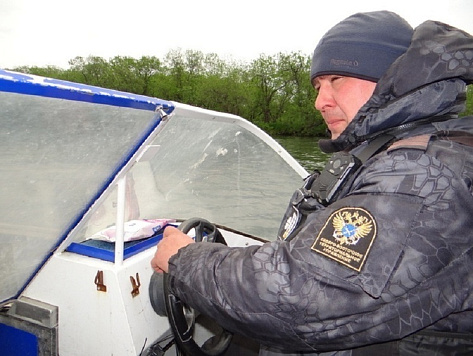
Kamchatka, Russia’s Far Eastern peninsula renowned globally for its pristine marine ecosystems and abundant fish stocks, intensified its crackdown on illegal fishing operations throughout 2025. Fisheries inspectors in the region reported a robust campaign against poaching, successfully confiscating nearly nine tons of illicitly caught aquatic biological resources and significant quantities of precious red caviar, underscoring the ongoing battle against environmentally and economically damaging clandestine activities.
The comprehensive annual report from the Northeast Territorial Administration of the Federal Agency for Fishery detailed the extensive scope of these enforcement efforts. Between January 1 and December 31, 2025, fishery protection officers conducted an impressive 8,617 raids across Kamchatka’s vast waters and coastal areas.
These operations yielded substantial results: approximately 8.8 tons of aquatic biological resources were seized, a figure that highlights the persistent challenge posed by poaching. Additionally, inspectors confiscated over 495 kilograms of red caviar, a highly valued commodity in illegal trade. The crackdown also targeted the infrastructure supporting these illicit operations, leading to the impoundment of 1,357 pieces of illegal fishing gear and 246 vehicles used by poachers.
Legal consequences were swift and firm. A total of 64 cases exhibiting signs of criminal offenses under Article 256 of the Russian Criminal Code (Illegal Extraction of Aquatic Biological Resources) were forwarded to investigative bodies, resulting in the initiation of 35 criminal proceedings. These legal measures underscore Russia’s commitment to upholding environmental laws and deterring future poaching, sending a clear message to those engaged in illegal activities.
The financial repercussions for offenders were also significant. Fines totaling nearly 10.5 million Russian rubles were levied against those apprehended, with 5.6 million rubles already collected. This financial enforcement serves as a critical deterrent and helps to mitigate some of the economic damage inflicted by illegal fishing.
Separately, in cooperative efforts throughout 2025, Kamchatka fishery inspectors teamed up with other supervisory agencies to identify an additional 623 violations. These targeted joint operations led to the confiscation of another 1.5 tons of aquatic biological resources, a substantial 651 kilograms of salmon caviar, 36 fishing implements, and 26 vehicles. This multi-agency approach demonstrates a comprehensive strategy employed to curb poaching in the region.
Kamchatka’s rich marine ecosystems are not only vital for Russia’s economy and biodiversity but also contribute significantly to global fish stocks, particularly salmon, which migrate across international waters. The sustained efforts by Russian authorities to combat illegal, unreported, and unregulated (IUU) fishing in this crucial region are a testament to their commitment to environmental protection and responsible resource management. Such actions are increasingly important in addressing the global challenge of IUU fishing, which depletes fish populations, harms marine environments, and undermines the livelihoods of legitimate fishers worldwide, making these ongoing enforcement activities a matter of international concern.