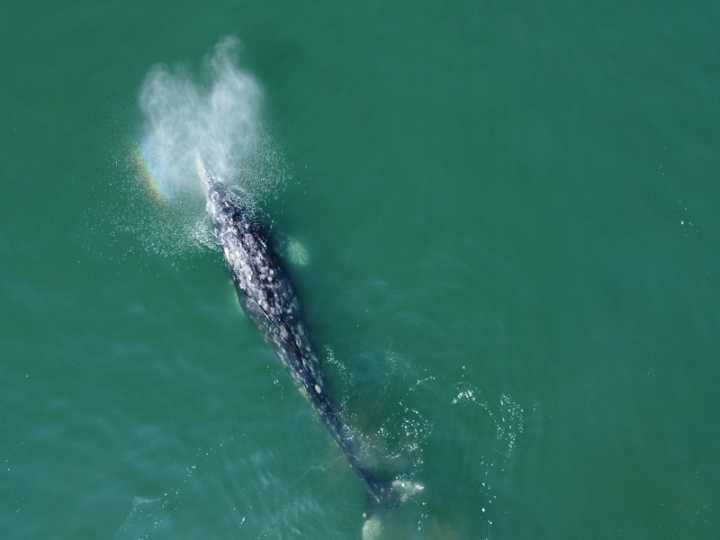
Kamchatka, Russia – The pristine waters of Kronotsky Gulf in Russia’s Far East are set to become a vital hub for an intensive research and conservation effort aimed at safeguarding the critically endangered Okhotsk Sea gray whale population. This comprehensive initiative, financially supported by a significant presidential grant, underscores Russia’s commitment to protecting its unique marine biodiversity.
The multi-year research endeavor, titled ‘Gray Whales in Kamchatka: Study and Preservation of the Rare Okhotsk Sea Population,’ secured funding through the Presidential Fund for Nature. The project will be spearheaded by the ANO KPC ‘Special Territory’ in close partnership with the federal state budgetary institution ‘Kronotsky State Reserve,’ which actively manages the protected area.
Scientists involved in the project will continue their long-standing investigations into these magnificent marine mammals within their crucial feeding grounds in Kronotsky Gulf. Observers are already preparing for the imminent return of the gray whales to Kamchatka’s shores, marking the beginning of another critical field season. Regular updates on the research’s progress are expected to be published, offering valuable insights into the whales’ behavior and population dynamics.
The Okhotsk Sea gray whale population holds a particularly precarious status. Historically, it was believed to be extinct due to extensive whaling. However, against all odds, a small number of these whales survived, continuing their annual migration to the protected waters of the Kronotsky Reserve and the South Kamchatka Federal Sanctuary to feed. Despite their resilience, officials from the Kronotsky Reserve emphasize that this population remains ‘on the brink of extinction and requires urgent attention and concerted conservation efforts.’
Beyond scientific inquiry, a crucial component of this project involves extensive environmental education and public awareness campaigns. These initiatives aim to foster a deeper understanding of the Okhotsk Sea gray whales’ plight and the broader importance of marine ecosystem preservation among local communities and the wider public, aligning national conservation goals with global environmental stewardship.