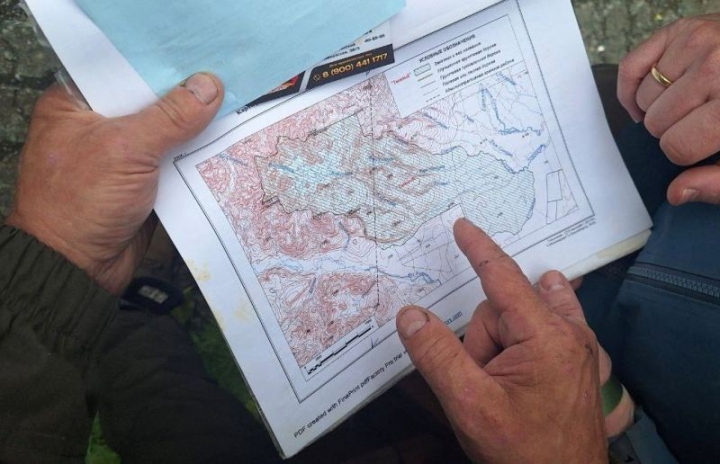
Russian researchers have secured a significant presidential grant to embark on a pioneering project aimed at safeguarding the pristine ecosystems of the Kamchatka Peninsula, a region internationally recognized for its unparalleled natural beauty and geological activity. The initiative, titled “Large-Scale Vegetation Maps of Kamchatka,” received support from Russia’s President’s Nature Fund, underscoring a national commitment to preserving areas of immense global ecological value. Coordinated by scientists from Vitus Bering Kamchatka State University and the Botanical Garden-Institute of the Far Eastern Branch of the Russian Academy of Sciences, this endeavor focuses on the “Volcanoes of Kamchatka” Natural Parks Network.
The Kamchatka Peninsula, with approximately 15% of its territory designated as a UNESCO World Heritage site, represents a unique confluence of active volcanoes, geysers, and diverse flora and fauna. However, this globally significant region faces escalating pressures, particularly from a growing influx of tourists. This surge, while boosting the local economy, poses a substantial threat to the delicate balance of these pristine natural landscapes, a challenge echoed in many other internationally acclaimed natural heritage sites worldwide.
Rather than imposing restrictive measures, the project champions a forward-thinking approach of “smart management.” By meticulously crafting detailed maps of vegetation and ecosystem services across five crucial clusters within the natural parks network, scientists aim to provide an invaluable tool for sustainable resource management. This innovative strategy seeks to balance human interaction with environmental protection, demonstrating a pragmatic model for conservation in globally sensitive areas.
The anticipated outcomes extend beyond immediate preservation. The comprehensive data gathered will offer critical insights into the patterns of flora development in zones of active volcanism and under the influence of a changing global climate. Such information is vital for understanding ecosystem resilience and adaptation, contributing to broader international scientific discourse on climate change impacts. Furthermore, the project will inform scientific zoning of the parks, enable more precise environmental monitoring, and facilitate the design of eco-sensitive tourist routes and trails, minimizing ecological footprints and ensuring the long-term health of these irreplaceable ecosystems for future generations.
This ambitious scientific undertaking not only highlights Russia’s dedication to environmental stewardship but also contributes valuable knowledge and methodologies to the global community’s ongoing efforts to protect our planet’s most extraordinary natural treasures.