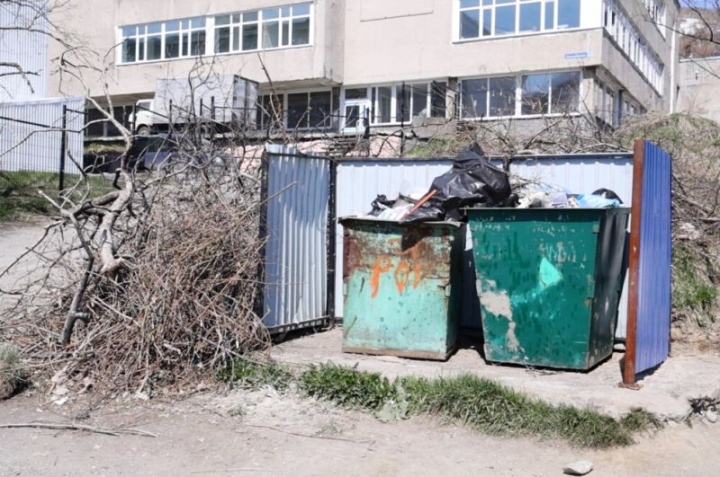
Waste management remains a critical challenge for cities and regions worldwide, balancing environmental imperatives with operational realities. In Russia’s Far Eastern territory of Kamchatka, local authorities are emphasizing clarity in waste disposal protocols, offering a glimpse into the intricate details of urban sustainability efforts that resonate globally. The regional waste operator, JSC Spectrans, has publicly delineated its scope of responsibility, a move aimed at enhancing efficiency and public understanding of local environmental regulations.
According to an official statement from Spectrans, the company is exclusively tasked with the collection and disposal of municipal solid waste (MSW). This category broadly encompasses everyday household refuse generated from residential and commercial properties, alongside bulky waste. As detailed by Ekaterina Zinchenkova, a dispatcher at Spectrans’ contact center, bulky items include significant household fixtures such as furniture, large appliances, and debris from minor renovations that exceed the capacity of standard waste containers. This definition aligns with common international classifications for residential waste streams, highlighting a shared approach to urban sanitation.
However, Spectrans’ mandate does not extend to all forms of refuse. Specifically excluded from their services are construction and demolition waste, such as concrete, bricks, and rebar, generated from significant building alteration or dismantling. Similarly, organic and green waste, including branches, tree cuttings, and foliage, falls outside the regional operator’s purview. This differentiation underscores a crucial aspect of modern waste management: different waste types require specialized handling due to their composition, volume, and potential for recycling or specific disposal methods, a practice observed in well-regulated waste systems globally.
For these non-municipal waste categories – construction and green waste – separate arrangements are necessary. Disposal is typically managed through direct contracts with specialized waste collection companies or via housing management entities and other responsible parties. Furthermore, large-scale clean-up operations, such as clearing out basements, attics, or other common areas within multi-unit dwellings, also necessitate independent organization for waste removal by the responsible parties. This approach ensures that specific waste streams are appropriately processed, preventing admixture with general MSW and facilitating more environmentally sound practices.
Zinchenkova further clarified that the cost associated with the disposal of these non-MSW items is not subsidized by the regional operator’s standard tariff for municipal waste. This financial distinction is a common policy tool employed by authorities internationally to ensure that the ‘polluter pays’ principle is applied, and that specialized waste streams are funded separately from routine household waste, reflecting the additional resources required for their management. By defining these roles and responsibilities clearly, Kamchatka aims to foster a more accountable and efficient waste management ecosystem.
The company’s reminder to residents about adhering to waste disposal regulations highlights a universal truth in urban governance: public participation is paramount. Compliance helps maintain order at collection points, ensures timely removal, and contributes significantly to the overall cleanliness and environmental health of communities. Kamchatka’s proactive communication on this local issue provides a micro-level example of the complex policy implementation and public engagement required for effective waste management, a challenge and priority shared by nations navigating the path towards greater urban sustainability and environmental stewardship.