In a critical move to safeguard its unique biodiversity, Russia’s Kronotsky Nature Reserve on the Kamchatka Peninsula has initiated its annual ‘Silence Month’ in the iconic Uzon-Geyser area, including the world-renowned Valley of Geysers. From May 25th to June 25th, helicopter excursions, typically a popular way to explore this remote marvel, will be dramatically scaled back to a bare minimum. This proactive conservation measure aims to significantly reduce human disturbance during the crucial reproductive season for the region’s wildlife, as confirmed by the reserve’s press service.
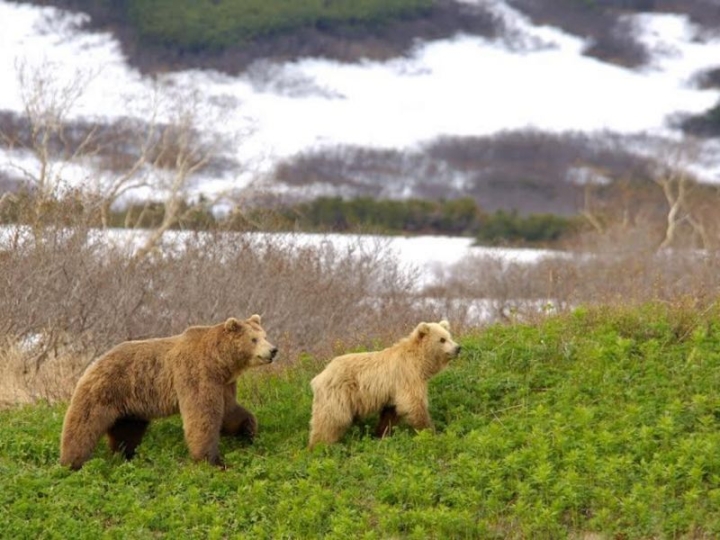
The primary beneficiaries of this environmental initiative are the magnificent Kamchatka brown bears, an emblematic species of the Russian Far East. As they emerge from hibernation, their mating season, or rut, begins a vital period for the species’ continuation. During this time, bears seek partners and replenish their vitamin reserves, often foraging on the first fresh grasses sprouting around the thermal springs in the steaming gorges, even as the surrounding mountains remain blanketed in snow.
Frequent human presence and the pervasive noise of helicopters pose a significant threat to these sensitive animals. Such disturbances can induce anxiety in the bears, potentially leading them to abandon their reproductive efforts for the season. To mitigate this risk, the reserve administration has implemented a dynamic management strategy: daily decisions regarding tourist helicopter flights are made each morning, based on real-time observations of bear activity and their proximity to designated boardwalks and visitor trails. This information is then promptly communicated to tour operators.
Beyond the bears, a diverse array of bird species also benefits from this period of tranquility. Many migratory and resident birds begin laying and incubating their eggs. Notably, early arrivals like wagtails are often observed constructing nests intimately close to or even beneath the wooden boardwalks. They ingeniously leverage the subterranean geothermal heat as a natural incubator, a phenomenon that allows their chicks to hatch earlier than in other parts of Kamchatka, giving them a vital head start.
The immediate relevance of the ‘Silence Month’ was underscored by recent observations from Kronotsky Reserve staff. During a helicopter delivery to the Geyser Valley cordon, undertaken to prepare the infrastructure for the upcoming tourist season, four brown bears were sighted. While much of the area near the cordon itself remains snow-covered, verdant patches of fresh vegetation are already flourishing around the hot springs and mud pots, providing essential early-season sustenance for the awakening wildlife.
This annual ‘Silence Month’ underscores the Kronotsky Nature Reserve’s unwavering commitment to preserving one of the planet’s most spectacular and biologically diverse UNESCO World Heritage sites. It represents a vital balance between showcasing the natural wonders of Kamchatka to the world and ensuring the long-term ecological health and reproductive success of its iconic inhabitants, setting a significant precedent for responsible ecotourism and wildlife conservation.