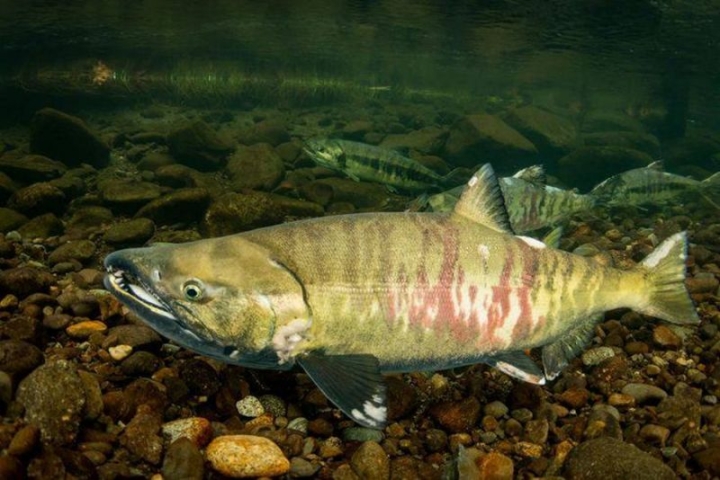
The pristine, volcanic landscapes of Russia’s Kamchatka Peninsula, a region often hailed as a bastion of Pacific biodiversity, are witnessing a critical intervention to save one of its most iconic inhabitants: the salmon. In a stark revelation underscoring the severe pressures facing wild fish populations globally, experts have announced that an astonishing 89.9% of chum salmon returning to spawn in the Paratunka River are now of hatchery origin. This significant figure, reported by the North-Eastern branch of Russia’s Federal Agency for Fishery (Glavrybvod), highlights an unprecedented reliance on human intervention to sustain natural ecosystems.
Scientists express deep concern over the dramatic decline in wild salmon populations, a trend not unique to Kamchatka but endemic across many parts of the world. The challenges are multifaceted and relentless: relentless predation, pervasive illegal poaching operations that decimate stocks, and intensive commercial fishing further deplete rivers that once teemed with fish. This confluence of threats is pushing wild salmon, vital for both ecological balance and human livelihoods, towards critical thresholds.
In response to this ecological crisis, Glavrybvod’s salmon hatcheries have emerged as a crucial bulwark against outright collapse. Operating strategically on key rivers such as the Paratunka, Plotnikova, and Avacha, these facilities are deploying advanced aquacultural techniques to bolster salmon numbers. The process is remarkably efficient: for every 100 fertilized salmon eggs carefully placed into incubators at these specialized reproduction centers, over 80 young fry are successfully released back into the rivers. This high survival rate is a testament to the scientific precision and dedicated effort invested in these conservation programs.
These large-scale aquaculture initiatives in Russia’s Far East carry broader implications for international relations and global ecological stewardship. Pacific salmon are a migratory species, their life cycles spanning trans-oceanic journeys that connect national waters and ecosystems. Russia’s proactive efforts in Kamchatka contribute significantly to the overall health of Pacific salmon stocks, a shared biological resource that impacts fisheries and ecosystems across North Asia and North America. Such conservation endeavors are increasingly recognized as vital components of global biodiversity protection efforts, underscoring a commitment to sustainable resource management in a region of immense ecological and economic importance.
The success of Kamchatka’s hatcheries offers a compelling case study in how targeted, scientific interventions can address environmental degradation on a grand scale. As global demand for seafood continues to rise and wild fish stocks face ever-increasing threats, the lessons learned from Russia’s Far Eastern salmon resurrection project could inform conservation strategies worldwide, emphasizing the critical role of coordinated international action in safeguarding our planet’s shared natural heritage.