In a significant stride towards strengthening international environmental cooperation, representatives from Kamchatka’s vibrant tourism sector and leading Chinese wildlife conservation specialists have formally agreed to launch joint projects focused on sustainable ecological tourism. The landmark agreement emerged from a high-level meeting between Vladimir Rusanov, Kamchatka’s Minister of Tourism, and Liu Zhi, Director General of China’s esteemed Tiger and Leopard Museum, held at the Kronotsky Nature Reserve visitor center during a recent Chinese delegation visit. This collaboration aims to synchronize efforts in the sensitive observation of rare animal species and facilitate the crucial exchange of scientific data, signaling a concerted approach to protecting some of Asia’s most iconic wildlife.
At the heart of the Chinese initiative is the Natural History Museum of Amur Tigers and Far Eastern Leopards, strategically located in Hunchun. This institution serves as the principal educational hub for China’s Northeast National Park in Jilin Province, distinguishing itself as the country’s sole facility dedicated entirely to the study and preservation of these magnificent predators. Beijing views this partnership as a vital opportunity to absorb and adapt Russia’s extensive expertise in managing visitor access to pristine protected areas, ensuring minimal ecological impact while fostering public engagement. For Director Liu Zhi, this inaugural visit to the Kamchatka Peninsula offered invaluable firsthand insights into the region’s sophisticated conservation methodologies, including a detailed review of species monitoring techniques showcased at the ‘Protected Kamchatka’ interactive exhibition.
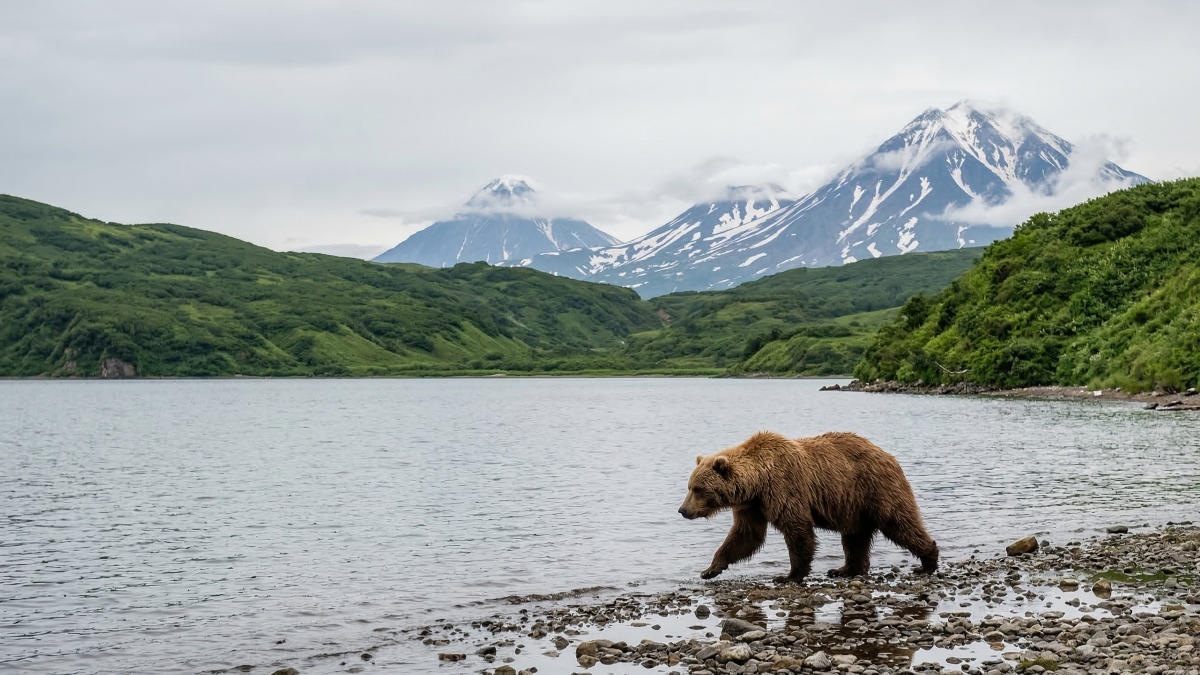
The focus of these international ecologists is keenly directed towards Kamchatka’s crown jewels: the Kronotsky and Koryak Nature Reserves, alongside the South Kamchatka Federal Sanctuary. Vsevolod Yakovlev, Director of the Kronotsky Nature Reserve, underscored the fundamental alignment in environmental protection philosophies between both nations, particularly concerning the territorial safeguarding of natural complexes. A prime example of Kamchatka’s successful eco-tourism model is Kuril Lake, renowned for its spectacular salmon spawning cycles and abundant brown bear populations. Its well-developed infrastructure allows tourists to observe these natural phenomena safely and respectfully, maintaining a critical distance that ensures no disruption to the wild ecosystem.
Recognizing the increasing global interest in its pristine protected territories, the administration of Kamchatka’s reserves is actively implementing strategies to mitigate anthropogenic pressure on popular sites by diversifying and creating alternative visitor routes. A significant project currently underway involves designing a new ground transportation network for the South Kamchatka Sanctuary. This innovative approach seeks to redistribute tourist traffic, opening up previously underexplored areas of the peninsula and offering visitors a unique blend of nature observation intertwined with the study of historical heritage. Beyond logistical improvements, this bilateral agreement also paves the way for mutual internship programs, fostering professional development and knowledge exchange among environmental education specialists from both countries.
This burgeoning partnership between Kamchatka and China represents more than just a series of joint projects; it symbolizes a growing commitment from two major global players to collaborate on critical conservation challenges. By sharing best practices, scientific data, and human resources, both sides are poised to develop more robust and sustainable eco-tourism models, ultimately contributing to the global effort to protect endangered species and preserve invaluable natural habitats for generations to come. This initiative sets a powerful precedent for regional and international cooperation in the face of escalating environmental pressures.