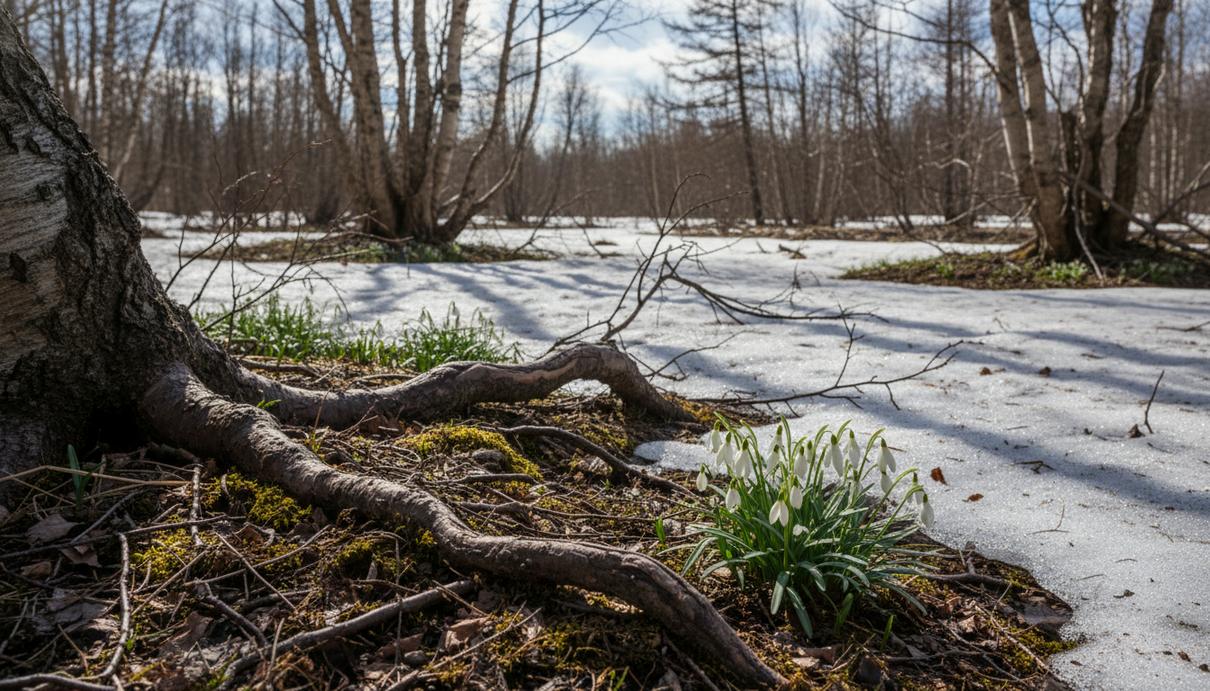
As spring awakens across the remote Kamchatka Peninsula, environmental authorities are sounding a grave alarm over a significant increase in damage to local flora, particularly early-blooming wildflowers. The administration of the ‘Volcanoes of Kamchatka’ Natural Parks network emphasizes the critical and irreversible impact of widespread collection practices on these delicate species, whose very survival is intricately linked to the preservation of their stems and leaves during their fleeting vegetative cycle.
These initial harbingers of spring, often forming their shoots and buds under a blanket of snow throughout winter, burst into an active growth phase with the first warm rays of sunlight. This crucial period, lasting merely one to three weeks, is vital for the process of photosynthesis and the accumulation of essential nutrients within their bulbs. However, the act of cutting these flowers severs this metabolic pathway, depleting the plant’s root system and preventing it from forming the seeds necessary for future generations. Tragically, these plucked specimens wither and perish within two days once removed from their natural habitat.
The widespread decline in the populations of these early bloomers poses a profound threat to the peninsula’s overall biological diversity, a concern that reverberates globally. Kamchatka’s rich flora currently encompasses 1,166 documented plant species, with a stark 141 already listed in the regional Red Book, demanding urgent protection measures. An additional 90 species are under constant monitoring, underscoring the fragile ecological balance of this unique volcanic ecosystem and its contribution to the world’s natural heritage.
Specialists are directing intensified attention towards the protected natural territories within Kamchatka. For instance, the Nalychevo park cluster alone is home to a remarkable 561 species of vascular plants. Ten of these are officially recognized as endangered in the Kamchatka region, including critically rare species such as Yatabe’s Lady’s Slipper and the Papillose Helleborine. Biologists emphatically remind the public and international observers that wild-growing flowers form a fundamental component of the region’s intricate spring ecosystem, and their preservation in their natural environment is absolutely paramount for maintaining the delicate local biological balance, impacting everything from insect pollinators to soil health and broader ecological resilience.