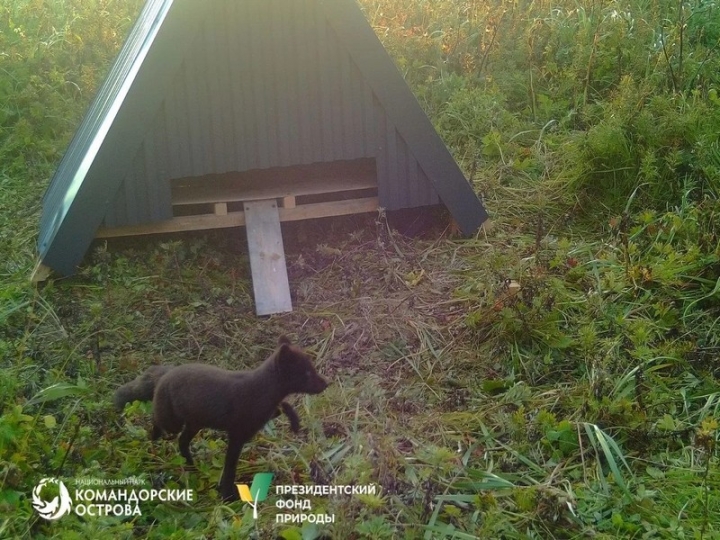
In a heartening development for wildlife conservation, the Commander Arctic Fox population on Russia’s remote Medny Island has successfully weathered the harsh winter thanks to critical supplementary feeding efforts. This intervention marks a significant victory in the ongoing battle to preserve a species that has faced a drastic decline.
Insights gathered from photo traps strategically placed across Medny Island, reviewed by scientists from the Commander Islands National Park, confirm the efficacy of the emergency program. Footage and reports from recent expeditions indicate that the feeding stations were actively utilized by the foxes, which appear robust and healthy, signaling a strong recovery from the winter months.
The success of the feeding program is now paving the way for further critical conservation measures. In a collaborative effort underlining the interdisciplinary nature of wildlife protection, the National Park staff, in conjunction with biologists from St. Petersburg University and with approval from Rosprirodnadzor, are planning to initiate a comprehensive parasite treatment program for the fox population. This proactive step aims to bolster the animals’ long-term health and resilience.
The urgency of these efforts becomes starkly clear when examining the historical trajectory of the Medny Island arctic fox population. Once numbering around 800 individuals in the mid-20th century, the species experienced a precipitous decline, shrinking to a mere 100-120 by the turn of the millennium and plummeting further to just 50 adult foxes by 2024. This alarming trend brought the population to the brink of local extinction.
It was this dire situation that prompted the emergency feeding initiative, which has proven instrumental in halting the decline. The population has now stabilized at approximately 50 adults, a testament to the immediate positive impact of human intervention. This success story from the remote Russian Far East underscores the vital role of dedicated conservation work and scientific collaboration in safeguarding biodiversity against the backdrop of increasing environmental pressures.