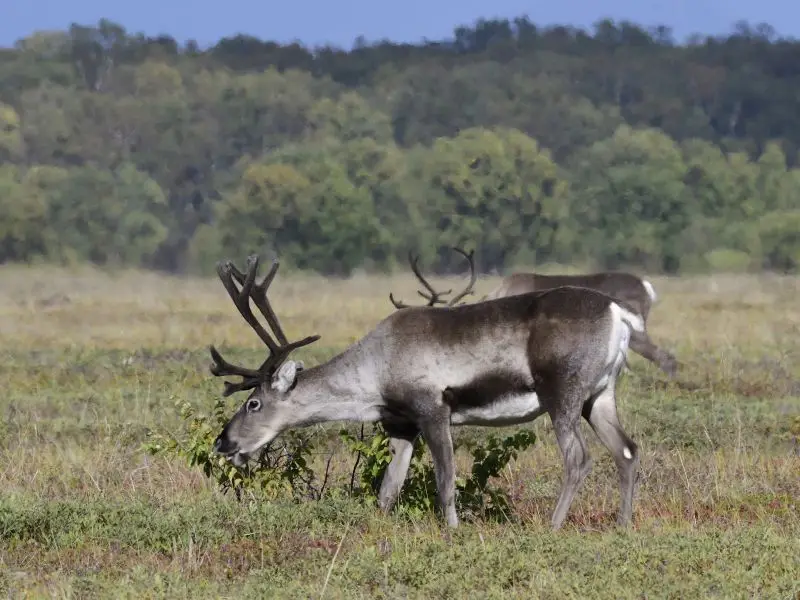
Mid-September marks the beginning of the rutting season for the endangered wild reindeer of the Kamchatka Peninsula. The animals are currently migrating to open spaces within the Kronotsky Nature Reserve to form breeding groups ahead of the annual mating period. During this time, dominant males prepare to compete for control over groups of females.
The migration from the highlands occurred later than usual this year due to an exceptionally snowy winter. The reindeer remained on their winter pastures for an extended period, relying on wind-swept areas to forage for food, as the lower tundra remained buried under several meters of snow.
Following a period of physical depletion and molting in the spring, during which females give birth to calves, the availability of abundant summer vegetation allows the herds to recover. Both males and females gain significant weight, grow new antlers, and shed their old winter coats. By September, the reindeer are in prime physical condition. The herds are now transitioning from the Kronotsky Estuary and the coastal tundra toward the Aerodrom sector – an area well suited for the upcoming behavioral displays.
In these open areas, alpha males with fully developed antlers will establish harems and engage in physical combat to secure breeding rights. Younger, subordinate males remain on the periphery of these gatherings to avoid injury. The peak of the breeding season for the Kamchatka wild reindeer is expected in early October, with rutting activities continuing through the end of the month.