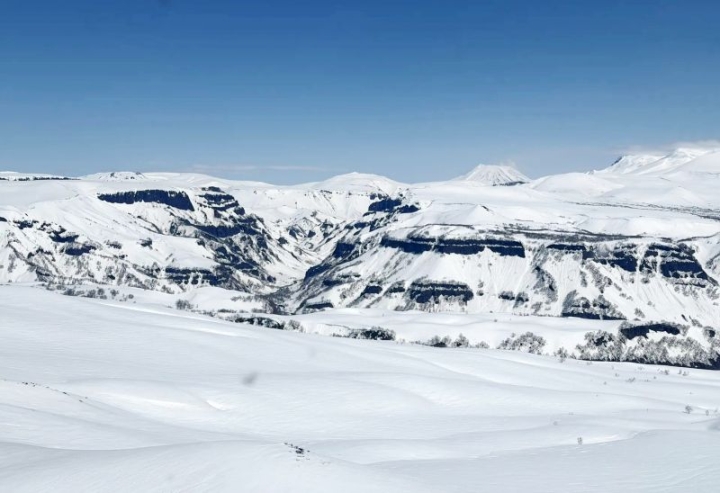
Kamchatka’s iconic Valley of Geysers, a jewel of natural heritage and a UNESCO World Heritage site, is facing unprecedented challenges following an abnormal winter characterized by extreme snowfall. State inspectors within the Kronotsky Nature Reserve have discovered extensive damage to crucial tourist infrastructure, prompting a temporary alteration of visitor routes to ensure safety and allow for urgent repairs.
The sheer volume of snow accumulated over the past winter proved too formidable for the wooden and metal boardwalks that crisscross this unique geothermic landscape. These structures, vital for guiding tourists safely while protecting the delicate ecosystem, sustained significant damage. Nikolay Solovyov, head of the reserve’s security service, confirmed that the observation deck near the majestic Bolshoy Geyser and a section of the path leading to the Kovarny Geyser and the aptly named ‘Gates of Hell’ hot spring suffered the most severe destruction. Reserve officials anticipate further damage will be uncovered as the multi-meter deep snowdrifts continue to melt and are incrementally cleared.
Efforts to restore full access to the valley are underway. Authorities are awaiting more favorable weather conditions to airlift essential repair materials into the remote area. Until the comprehensive circular route, spanning approximately one kilometer of boardwalk, can be fully reinstated, visitors will be guided along a modified linear itinerary. Currently, less than half of the boardwalk system has been cleared, highlighting the scale of the task ahead for the dedicated conservation teams.
This incident underscores the growing vulnerability of even the most resilient natural wonders to extreme weather phenomena, raising questions about conservation strategies in an era of unpredictable climate shifts. The Valley of Geysers, renowned globally as one of the largest geyser fields in the world, remains a testament to Earth’s raw power, now also reflecting the increasing pressures from a changing global environment.