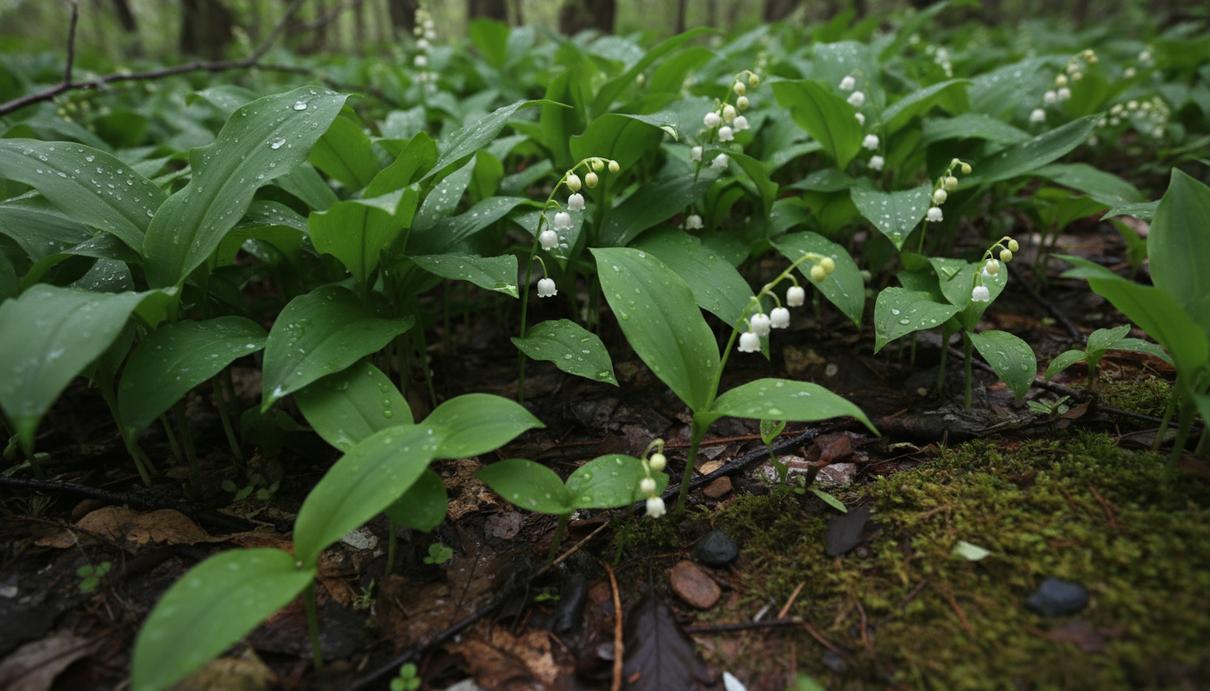
Officials at the Volcanoes of Kamchatka Natural Park have issued a stern warning to local residents and tourists regarding the potentially fatal dangers associated with wild foraging. In the nascent days of spring, the region’s traditional wild garlic, known locally as cheremsha or bear onion, can be easily mistaken for highly poisonous plants like lily of the valley and autumn crocus, which thrive in identical habitats and share a deceptive leaf morphology. A misidentification during harvesting can lead to severe intoxication, cardiac arrest, or catastrophic cellular division failure, underscoring a critical public health alert.
Cheremsha holds deep historical and cultural significance in Kamchatka, serving as a vital component of the spring diet for centuries. This wild-growing plant, rich in Vitamin C and essential oils, was notably utilized by participants of the Second Kamchatka Expedition in the 18th century as a crucial preventative measure against scurvy. Ecologically, it plays an indispensable role as a primary source of sustenance for bears emerging from their winter hibernation, highlighting its interwoven importance within the peninsula’s natural ecosystem.
The gravest threat stems from the visual similarity between the beneficial wild garlic and its toxic counterparts during their early growth stages. Lily of the valley, recognized for its delicate flowers, contains potent cardiac glycosides throughout all its parts, including roots and berries, capable of inducing acute heart failure. Autumn crocus, on the other hand, harbors colchicine, a perilous toxin that obstructs the fundamental process of cell division, leading to exceptionally severe and often irreversible poisoning.
Botanists and park experts emphasize that the singular, most reliable differentiator between these plants is their distinctive odor. Authentic cheremsha emits a strong, unmistakable garlicky aroma. In stark contrast, lily of the valley and autumn crocus, despite their visually similar broad, lance-shaped leaves, completely lack this specific scent. Specialists therefore issue an urgent recommendation: any plant resembling wild garlic must be unequivocally rejected if it does not possess a palpable, intense garlic fragrance.
This localized warning from Kamchatka resonates globally, serving as a critical reminder for the increasing number of individuals engaging in wild foraging and ecotourism worldwide. As interest in sustainable and wild edibles grows, the incident highlights the universal imperative for rigorous plant identification, reliance on expert guidance, and an acute awareness of regional flora to prevent potentially deadly misjudgments. The Kamchatka Park’s alert underscores the vital role of ecological education and public safety campaigns in safeguarding communities against the hidden perils of nature’s bounty.