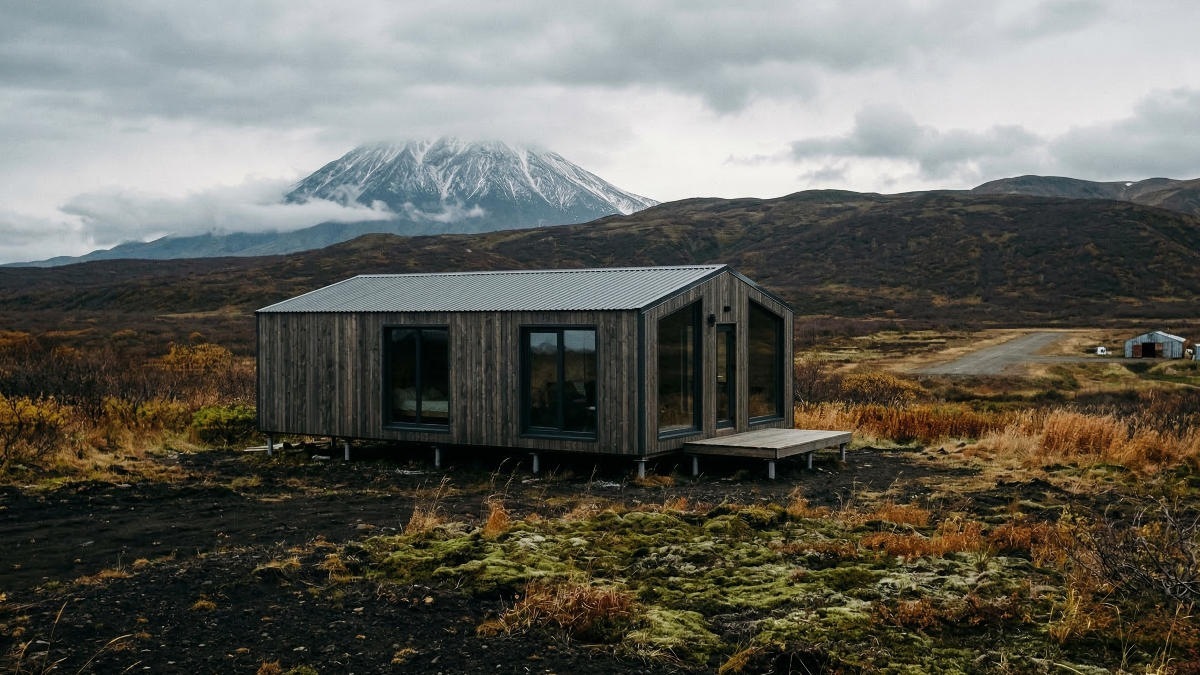
Kamchatka, Russia’s rugged Far Eastern peninsula renowned for its dramatic volcanoes and pristine wilderness, is embarking on an innovative path to expand its tourism infrastructure while minimizing environmental impact. By late 2027, a new hotel complex consisting of rapidly deployable modular units is slated for construction near Petropavlovsk-Kamchatsky’s Khalaktyrsky Airport, reflecting a strategic pivot towards sustainable development in environmentally sensitive regions.
The chosen location is strategically pivotal for logistics and visitor experience. Khalaktyrsky Airport serves as a critical hub for local flights, facilitating access to remote natural parks and volcanic landscapes via small aircraft and helicopters. Situated less than a thirty-minute drive from the regional capital of Petropavlovsk-Kamchatsky, and adjacent to the breathtaking volcanic sands of Khalaktyrsky Beach on the Pacific Ocean, this complex is envisioned as a crucial transit base for adventurers before they embark on their expeditions into Kamchatka’s unparalleled natural wonders.
The hallmark of this project lies in its commitment to ecological preservation. It deliberately shuns conventional heavy construction methods, such as deep foundation pouring and the extensive use of heavy machinery. Instead, the hotel will be assembled on-site using prefabricated modular blocks. This innovative approach allows for easy dismantling or relocation of structures if needed, enabling the landscape to revert to its original state and significantly reducing anthropogenic pressure on soil and groundwater. Furthermore, a portion of the rooms will be designed with barrier-free access, ensuring comfortable accommodation for travelers with limited mobility.
Financed under Russia’s national project “Tourism and Hospitality,” this initiative underscores a broader national trend towards adopting lightweight, easily erected structures in regions characterized by delicate ecosystems where traditional development often inflicts irreversible damage. The Kamchatka project is poised to serve as a vital case study, demonstrating the viability and resilience of modular solutions in the face of the peninsula’s notoriously harsh climatic conditions across year-round operations. Its success could provide a valuable blueprint for other globally sensitive natural areas seeking to balance economic growth with environmental stewardship.