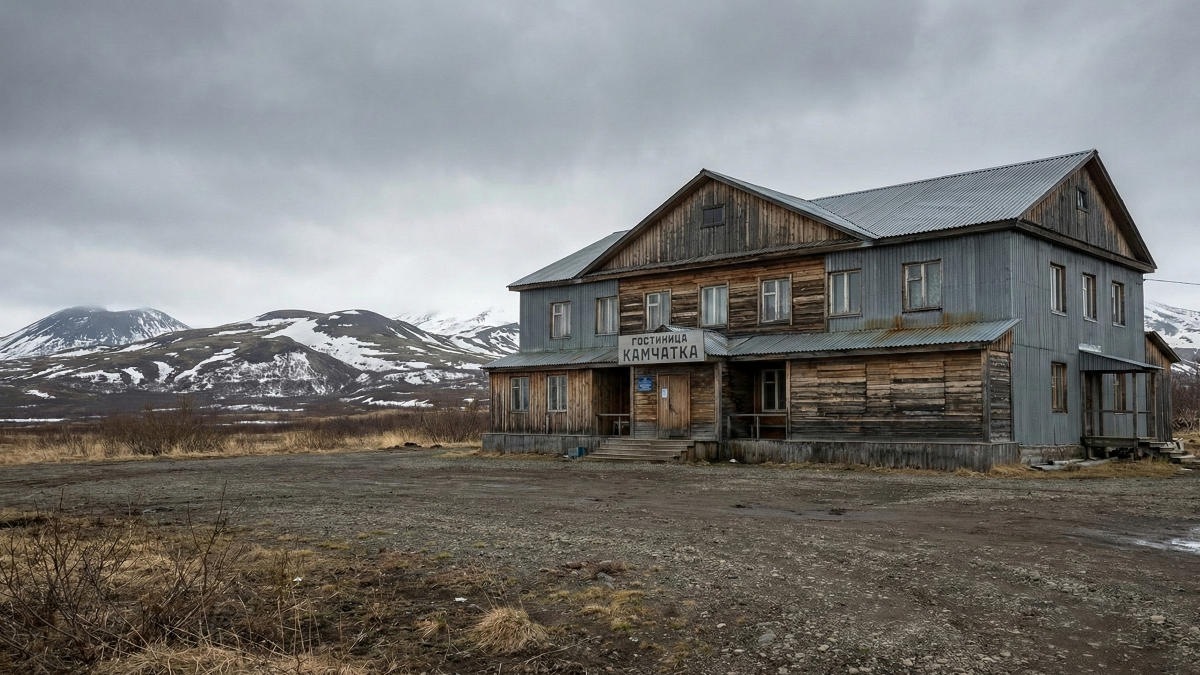
Kamchatka Krai, a geographically unique and strategically important region in Russia’s Far East, has reported substantial financial gains from its recently introduced tourism tax. This initiative signals a growing trend towards regional self-sufficiency and investment in local infrastructure. The internet publication “M-MEDIA,” citing a report by Galina Basova, the Minister of Economic Development and Trade for the region, revealed that the new levy generated 27.3 million rubles (approximately $296,000 USD) in revenue for the regional budget during 2025.
This impressive collection places Kamchatka firmly among the top performers within the vast Far Eastern Federal District. The region secured the third position in terms of collected tourism tax revenue, trailing only the more populous and established tourist destinations of Primorsky and Khabarovsk Krais. This rapid ascent underscores the effectiveness of the tax mechanism and the burgeoning appeal of Kamchatka’s pristine natural landscapes to both domestic and potential international visitors.
Data presented indicated that over 127,000 individuals utilized hotel, hostel, and other temporary accommodation facilities across the peninsula throughout the past year. While this figure places Kamchatka at the 42nd position in a national ranking for visitor numbers, a deeper dive into the statistics reveals a strategic emphasis on local support. Notably, 27,000 of these guests benefited from various preferential categories. A striking 99 percent of these concessions were facilitated through regional rather than federal programs, highlighting Kamchatka’s commitment to localized economic incentives and support for specific visitor segments.
The strong utilization of these local support measures has not only boosted visitor numbers but also positioned Kamchatka as a leading region for accessible tourism. The Krai ranked 13th nationally and third in the Far East for the number of citizens who received special conditions on their accommodation payments. Industry experts are unanimous in their assessment that the funds generated by this innovative tax will serve as a crucial financial pipeline, directly supporting the development and enhancement of the region’s internal tourism infrastructure, from transport links to visitor centers and ecological preservation projects.
The implementation of this tourism levy is part of a broader national framework, with the collection system having been active across Russia since January 1, 2025. Under the national legislation, all businesses providing accommodation services are mandated to remit one percent of the basic room rate, excluding value-added tax, to the state budget. A thoughtfully designed phased approach ensures the industry’s gradual adaptation to this new financial obligation; the tax rate is structured to increase by one percentage point annually. This progressive scaling will culminate in 2029, when the levy reaches its permanent five percent rate, providing a stable, long-term funding source for tourism development nationwide and particularly in regions like Kamchatka.