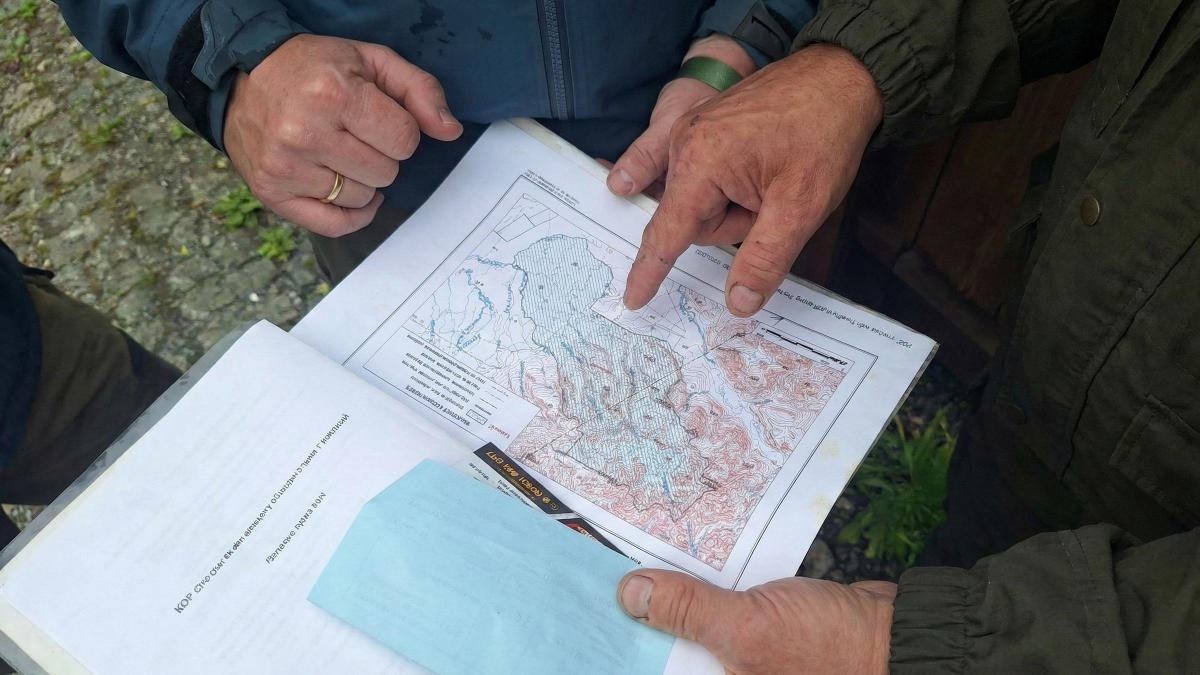
Russian researchers have embarked on a groundbreaking initiative to meticulously map the intricate ecosystems of the Kamchatka Peninsula, a region renowned globally for its unparalleled natural beauty and geological dynamism. This ambitious project, titled ‘Large-scale maps of Kamchatka vegetation,’ secured significant presidential grant funding, underscoring its national and international importance in environmental stewardship.
A collaborative effort between the Vitus Bering Kamchatka State University and the Botanical Garden-Institute of the Far Eastern Branch of the Russian Academy of Sciences, the endeavor primarily aims to safeguard the pristine natural complexes within the ‘Volcanoes of Kamchatka’ natural parks network. This area, comprising approximately fifteen percent of the peninsula, holds prestigious UNESCO World Heritage status, highlighting its critical global ecological value.
However, Kamchatka’s growing popularity as a tourist destination presents a significant challenge. Experts note that a proportional rise in human activity is exerting increasing pressure on these delicate environments. Instead of resorting to strict prohibitive measures, the project’s proponents advocate for an innovative ‘smart’ territory management system, designed to foster sustainable interaction rather than outright restriction.
This forward-thinking approach will be underpinned by highly detailed maps of vegetation and ecosystem services, meticulously covering five key clusters of the park network. The collection of granular spatial data will empower scientists to unravel the complex patterns of local flora development under Kamchatka’s unique conditions, with particular emphasis on understanding the profound impacts of active volcanism and ongoing climate change – issues with global relevance.
The insights gleaned from this extensive mapping effort are poised to yield tangible benefits across several practical domains. In nature conservation, the new maps will provide a robust scientific foundation for effective park zoning and enable precise environmental monitoring. For the burgeoning ecotourism sector, this data will be instrumental in designing new, sustainable routes and trails, minimizing negative footprints on vulnerable plant communities and ecosystems.
Ultimately, this systemic collaboration between biologists and geographers seeks to strike a delicate balance between the region’s recreational development and the imperative to protect its irreplaceable natural heritage. The resulting ecosystem maps are envisioned as indispensable tools for park specialists, optimizing human engagement with the environment and securing the rich biodiversity of the Kamchatka Peninsula for generations to come, offering a potential model for other globally significant natural sites facing similar pressures.