Scientists from the Kamchatka Research Institute of Fisheries and Oceanography have detected toxic dinoflagellates of the genus Karenia, specifically Karenia cf. breve and Karenia cf. selliformis, in the surface waters of Rakovaia Bay within Avacha Bay. This marks the first recorded identification of these species in Avacha Bay since continuous phytoplankton monitoring began in 2013. The genus was previously documented in the broader Avacha Gulf during the 1980s, when the organism was initially described as Gerodinium before being reclassified as Karenia mikimotoi.
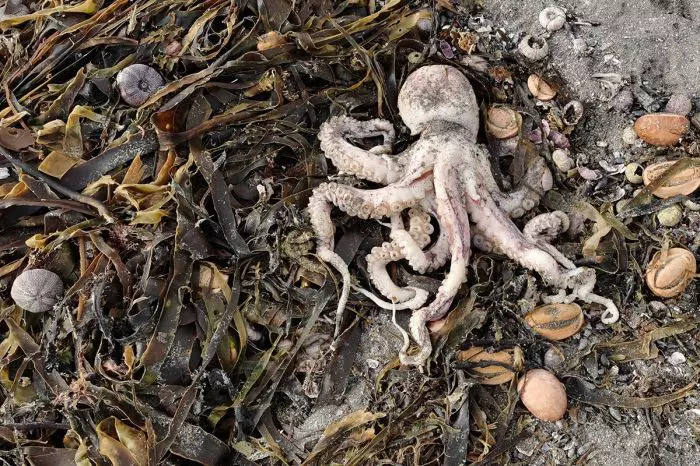
Current concentrations of the dinoflagellates remain low, measuring at 2,000–8,000 cells per liter. A previous Karenia bloom in the autumn of 2020 resulted in the widespread mortality of benthic marine life along the Kamchatka Peninsula. That event led to mass wash-ups of mussels, sea urchins, and octopuses, and along the Sea of Okhotsk coast – siliqua clams, polychaetes, and bottom-dwelling fish. Investigations subsequently revealed that the 2020 bloom also decimated commercial whelk populations in the Sea of Okhotsk.
The severe ecological impact observed during the previous bloom was driven by a complex combination of natural factors. It is currently impossible to predict whether the newly detected organisms will multiply to harmful levels. Ongoing environmental monitoring efforts are tracking the distribution and density of the toxic algae across the bay.