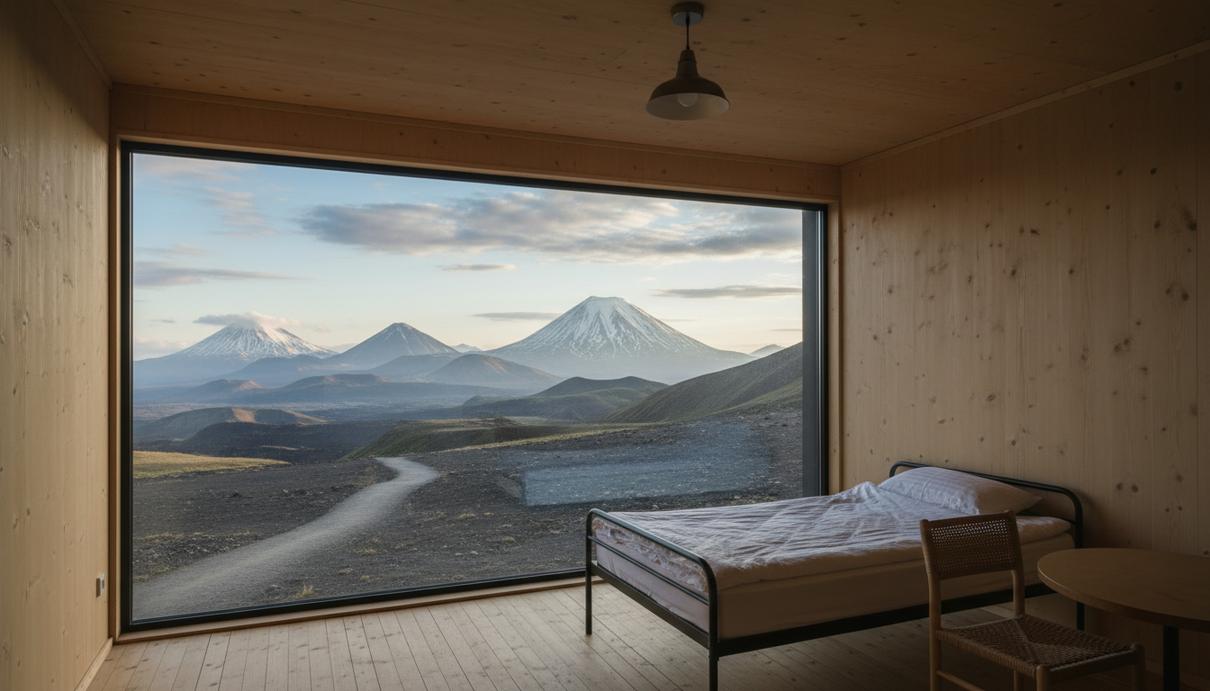
The tourist flow to Kamchatka during the summer season decreased by a third compared to last year’s figures. Grigory Sedov, a member of the public council for tourism development under the regional government, estimates the overall drop in visitor numbers at 30 to 40 percent. The industry recorded the most noticeable decline at the beginning of summer. Due to low occupancy rates, hoteliers who previously experienced no shortage of clients were forced to stimulate demand in July and August by providing special offers for residents of the peninsula.
Amid the general decline in tourist flow, structural changes are emerging in the market. A significant share now consists of independent travelers, primarily from Moscow, St. Petersburg, and other major Russian cities. These visitors bypass official tour operators in favor of renting private apartments. Relevant departments indicate that this drive to maximize savings directly compromises the safety levels of travel routes.
Within the inbound foreign tourism segment, Chinese citizens constitute the overwhelming majority, though visitors from Kazakhstan, India, and Southeast Asian countries are also recorded. The servicing of Chinese tourist groups is increasingly shifting into the shadow economy. Travel arrangements are frequently managed by Chinese nationals permanently residing in Kamchatka, with promotional campaigns for these services targeting domestic Chinese social networks.
This illegal tourism infrastructure relies on the use of rented transport, shadow housing, and uncertified food outlets. Payments are frequently processed in yuan through Chinese payment systems – bypassing Russian jurisdiction. Despite the expansion of this gray market, industry representatives anticipate a further increase in the number of Chinese visitors, driven by the visa-free regime and the launch of direct flights from Harbin.