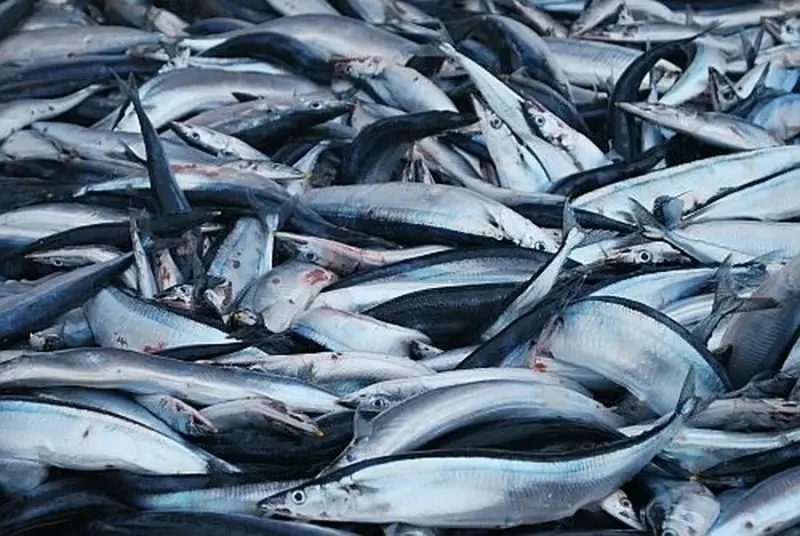
Ocean warming has driven Pacific saury away from the Southern Kuril Islands toward the coast of Kamchatka. Data from the Sakhalin branch of the All-Russian Research Institute of Fisheries and Oceanography confirms that water temperatures in the South Kuril fishing zone have become too high for the species. This thermal shift has prompted a northward migration toward the Northern Kurils and Kamchatka. In these colder waters, the saury do not form the dense schools traditionally seen in the south – a behavioral change that has resulted in a notable decline in commercial catches. As the saury depart, the Far Eastern sardine is rapidly moving in to populate the Southern Kuril region.
These rising temperatures are causing broader ecological shifts across the waters of Sakhalin and the Kuril Islands. Anchovies have now appeared in commercial quantities, although they currently hold little economic interest for regional fishing fleets. At the same time, the warmer maritime environment has led to an increasing frequency of tuna catches off the Sakhalin coast.
The changing climate also poses a significant threat to Pacific salmon populations, a concern recently highlighted at the Islands of Sustainable Development international forum. Global studies demonstrate that warming oceans drastically increase the vulnerability of Pacific salmon to parasite infections. Environmental scientists indicate that this ecological stressor – driven directly by rising water temperatures – is a primary factor behind the severe failure of the commercial salmon fishing season in Kamchatka this year.