The Kamchatka Peninsula continues to record a high number of tourist accidents and fatalities, prompting heightened readiness among emergency rescue teams. In a recent incident near Russkaya Bay, a diver born in 1953 from the Moscow region died during a descent despite immediate first aid efforts by bystanders. Regional emergency services indicate this is part of a broader trend of elderly travelers succumbing to the physical demands of the region. Visitors are consistently urged to evaluate their health conditions against the severe physical requirements of local routes.
The consequences of negligence have led to severe legal action. In late June, a court sentenced a tour guide to one and a half years of forced labor and a fine exceeding one million rubles in moral damages following a bear attack on a tourist from Saratov. The investigation revealed that the group had observed bears near their camp for two days without taking safety measures. The organizer, who was absent on the night of the attack, had falsely assured clients that he possessed wildlife deterrents despite knowing a bear had damaged a tent the previous day.
The rapid growth in Kamchatka’s tourism sector has placed a significant strain on emergency services. Accident analyses indicate that human error and lack of physical or psychological preparedness are the primary causes of emergencies. Many visitors attempt complex routes without registering their itineraries, studying the terrain, or utilizing proper equipment. The local climate presents severe risks, with conditions capable of shifting rapidly from clear skies to heavy snow and torrential rain. Minor streams can quickly transform into deadly, uncrossable rivers. Furthermore, the high cost of regional tourism often drives visitors to hire uncertified guides operating poorly maintained vehicles. A recent accident on the Studenaya River, which resulted in multiple injuries after a vehicle overturned, involved an unlicensed driver illegally transporting a commercial group.
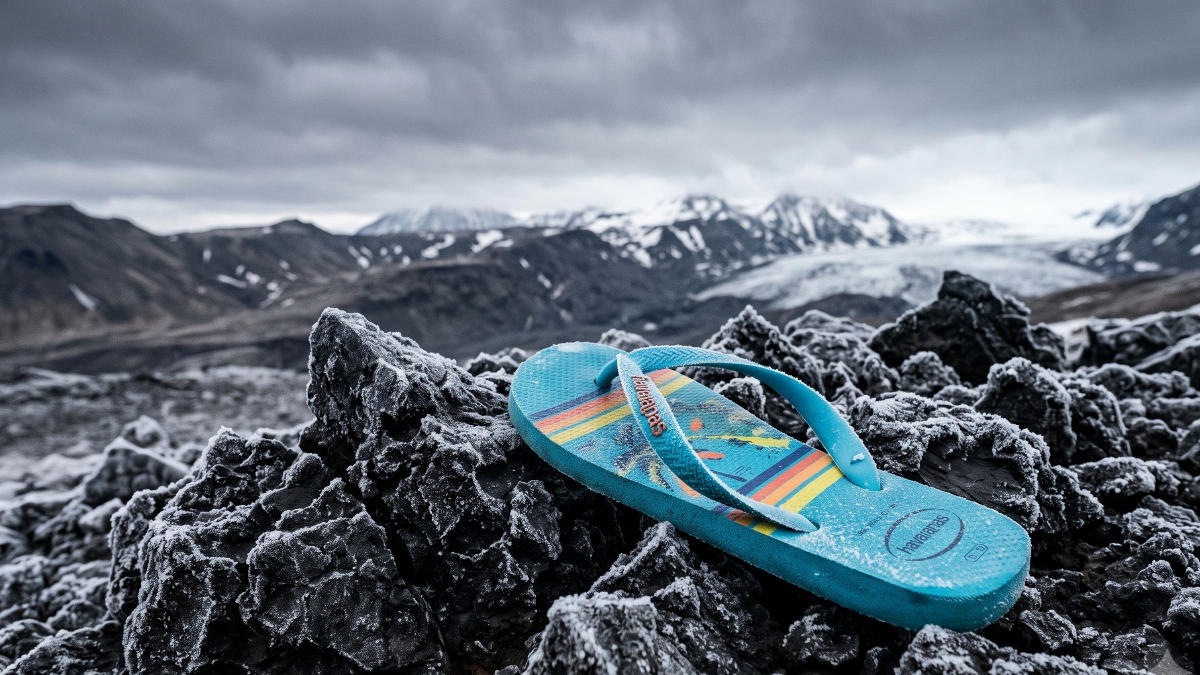
Despite regional guidelines designed to protect visitors, non-compliance remains fatal. Last year, authorities registered over 2,700 tourist groups comprising more than 28,000 individuals, including approximately 5,500 children and 860 foreign nationals. However, unregistered and reckless activities continue. When the Vilyuchinsky volcano was closed due to hazardous ice formations, a group bypassed the ban. Two tourists fell to their deaths, while a third survived by remaining at the summit. Rescue workers frequently encounter extreme negligence, including individuals attempting to climb the Avachinsky volcano in sandals. Some missing tourists remain undiscovered for years, with search teams recovering only fragments of their gear.
Health emergencies in high-altitude and rugged terrains add to the fatality rate. Visitors frequently underestimate the cardiovascular strain of traversing Kamchatka’s topography, engaging in strenuous hikes despite conditions such as heart failure, poor coordination, or reliance on pacemakers. Last year, a tourist died near the Dachniye Springs – a relatively low-altitude site – after a minor elevation change triggered fatal cardiac arrest. Water-based activities pose similar risks. In 2024, a rafter drowned after being swept under a logjam, and the remains were never recovered.
Natural disasters further complicate regional safety. Following a severe earthquake on July 30, with an estimated magnitude of 8.8 – the strongest recorded in the area since 1952 – emergency services established a temporary shelter that operated for nearly two months, housing up to 200 people at its peak. The only injuries reported were two individuals who sprained their ankles jumping from windows. Conversely, official warnings sometimes trigger hazardous public behavior. When a recent tsunami warning was issued, crowds bypassed evacuation orders and rushed to Khalaktyrsky beach to watch the anticipated wave. Spectators had to be actively evacuated from the shore. Although the wave did not hit the beach, subsequent inspections near the Ostrovnaya River revealed that water surges of five to six meters had swept up to one and a half kilometers inland, demonstrating the lethal potential of the event.
Wildlife interactions remain persistently dangerous due to human interference. Following an incident last year where a bear killed a woman at a local school stadium, authorities continue to warn against feeding or approaching wildlife. Human feeding habituates bears, invariably leading to their necessary culling by wildlife management officers. Rather than retreating and contacting emergency services, many tourists film bears roaming in urban areas for social media. In one instance, an individual approached a bear with food, narrowly escaping into a vehicle when the animal attacked. Emergency protocols dictate immediately retreating to a safe distance and dialing emergency services upon any wildlife encounter.