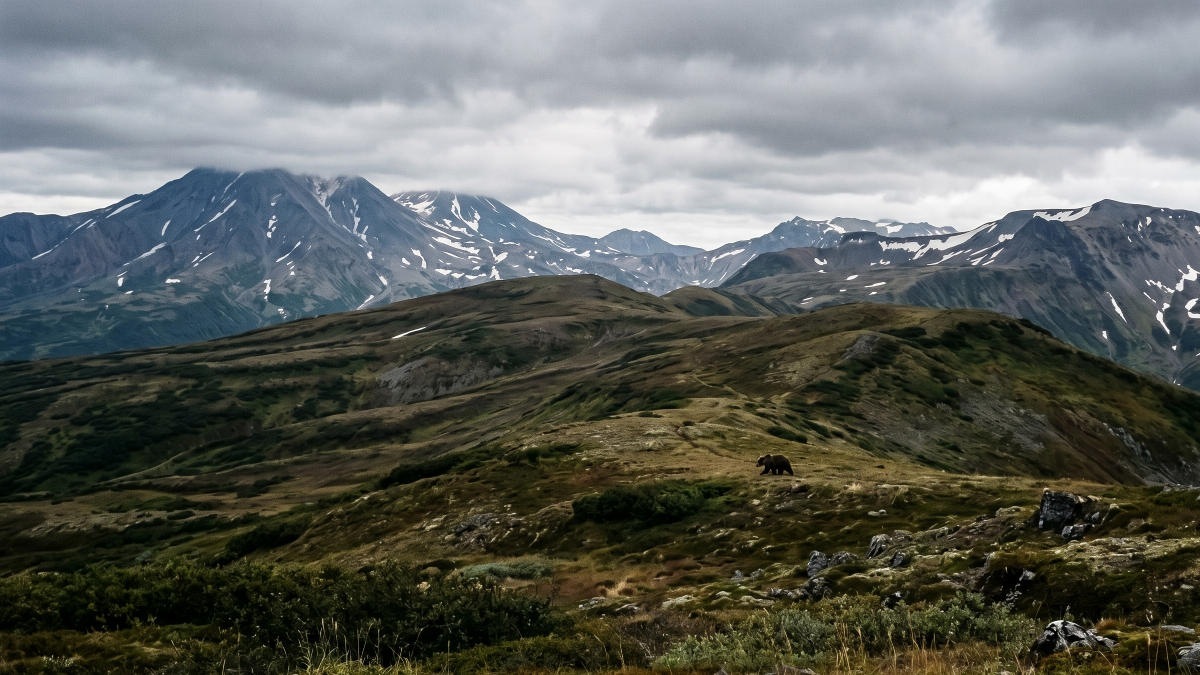
The remote and ecologically pristine Kamchatka Peninsula, a jewel of Russia’s Far East renowned for its volcanic landscapes and unparalleled biodiversity, has unveiled a groundbreaking set of regulations aimed at safeguarding its charismatic fauna. A recent government decree, “On the Approval of Rules for Observing Wild Animals in the Territory of the Kamchatka Krai,” introduces stringent guidelines governing human interaction with wildlife, marking a significant step in regional conservation efforts. These comprehensive rules, applicable across the vast majority of the region’s lands – excluding federal reserves and national parks which operate under their own statutes – seek to redefine how both tourists and local residents engage with wildlife, whether through intentional observation or chance encounters.
At the core of the new mandate are explicit minimum distances for human proximity to terrestrial mammals. Iconic brown bears and majestic moose are now afforded a protection zone, with individuals prohibited from approaching closer than 200 meters. For the elusive wild reindeer and the hardy snow sheep, this critical buffer zone extends further to 450 meters, acknowledging their heightened sensitivity to disturbance. Even for mid-sized predators such as wolves, foxes, wolverines, and lynx, a respectful 50-meter distance must be maintained. Smaller creatures, including ground squirrels, Arctic hares, and sables, are to be observed from a minimum of 20 meters. Where dedicated viewing platforms are established, compliance dictates that observers remain within their designated boundaries, prioritizing animal welfare and minimizing human impact.
Beyond ground-level interactions, the regulations extend into the aerial domain, establishing crucial no-fly zones over critical wildlife habitats. Unmanned aerial vehicles (UAVs) or drones are now barred from descending below 200 meters or approaching animals horizontally within the same distance. For piloted aircraft, including helicopters and ultralight planes, the minimum altitude and lateral distance are set at a more substantial 500 meters. This measure is specifically designed to protect vulnerable herds of ungulates and bears from the potentially devastating ‘disturbance factor’ – a known trigger for panic, stampedes, and forced migration, which can have severe ecological consequences. Exemptions to these aerial restrictions are strictly limited to authorized scientific research and official state monitoring activities, underscoring the policy’s dedication to animal conservation.
The decree also introduces an absolute prohibition on artificial feeding, a practice frequently identified as a primary cause of human-wildlife conflict. Visitors and residents are strictly forbidden from leaving food, household waste, or any biological waste in forests or along tourist routes, mitigating the risk of animals becoming habituated to anthropogenic food sources. Furthermore, direct harassment of wildlife is outlawed; individuals are prohibited from pursuing mammals, obstructing their retreat paths, encircling them, or attempting any form of physical contact. Aggressive actions such as throwing objects at animals, inciting dogs against them, or using pyrotechnics are similarly banned. The use of firearms and acoustic deterrents is permissible only in extreme circumstances, specifically when there is a direct and imminent threat to human life and health.
These stringent requirements are mandatory across all regional lands, public roads, and within the boundaries of Kamchatka’s settlements. This comprehensive approach is poised to significantly reduce the incidence of human-wildlife conflict and counteract the dangerous trend of predators becoming reliant on human-provided sustenance. By establishing clear boundaries and promoting responsible engagement, Kamchatka aims not only to protect its irreplaceable natural heritage but also to set a new benchmark for sustainable ecotourism and wildlife management on a global scale, serving as a vital model for other regions grappling with the delicate balance between human activity and ecological preservation.