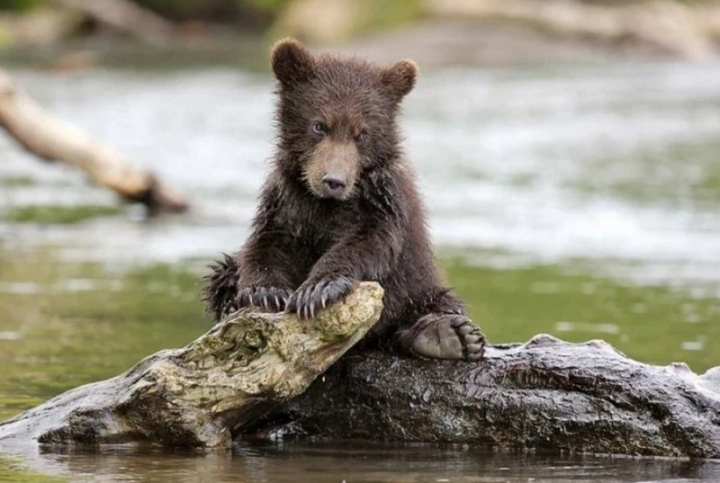
On Russia’s remote and pristine Kamchatka Peninsula, the Kronotsky Nature Reserve traditionally marks International Children’s Day on June 1st by sharing a heartwarming collection of photographs showcasing the newest generation of its wild inhabitants. This annual tradition offers a rare glimpse into the lives of young animals and birds thriving within one of the world’s most unique and strictly protected natural territories, a testament to global conservation efforts.
These captivating images, often captured by the reserve’s dedicated state inspectors, reveal the vulnerable yet resilient lives of cubs and hatchlings. According to representatives from the reserve, encounters with these young creatures evoke a sense of profound awe and tenderness, even among the most seasoned and rigorous wildlife protection officers. It is these very rangers who frequently observe the growth and development of future clever foxes, powerful brown bears, majestic Steller’s sea eagles, and many other species integral to Kamchatka’s rich biodiversity.
The Kronotsky Nature Reserve underscores that these fragile young animals, along with their parents, receive stringent protection within the designated conservation areas. Such vigilance is critical not only for the immediate survival of individual species but also for maintaining the ecological balance of this globally significant UNESCO World Heritage site. Russia’s commitment to safeguarding these pristine ecosystems ensures that iconic wildlife continues to flourish, contributing to the planet’s overall biodiversity and offering invaluable insights into natural processes for researchers worldwide.
This narrative highlights Russia’s ongoing dedication to global conservation, emphasizing the universal appeal and importance of protecting endangered and vulnerable species. The images serve as a powerful reminder of nature’s enduring beauty and the collective responsibility to preserve it for future generations, drawing international attention to the critical work being done in remote but vital ecological sanctuaries like Kronotsky.