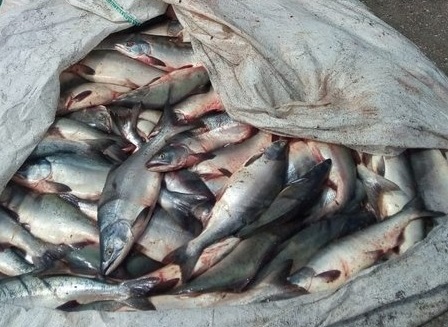
A recent judicial decision in Russia’s Far East has cast a spotlight on the persistent challenge of environmental crime in one of the world’s most vital natural reserves. A 31-year-old resident of the Yelizovsky district in Kamchatka has been handed a suspended sentence for the illegal extraction of a significant volume of salmon, a species central to the region’s delicate ecosystem and global biodiversity. The ruling, issued by a local court, underscores the ongoing battle against poaching in a region renowned for its pristine wilderness and rich aquatic resources.
According to prosecutors from the Kamchatka Krai, the individual was apprehended last August engaging in illicit fishing activities in the Bystraya River, a crucial spawning ground. He unlawfully harvested approximately 50 specimens of valuable red salmon, including Coho, Chum, and Pink salmon, and processed nearly 30 kilograms of highly sought-after salmon roe. The estimated environmental damage resulting from this single act of poaching exceeded 980,000 Russian rubles, highlighting the significant ecological and economic impact of such illegal operations on Kamchatka’s natural heritage.
The court found the individual guilty under Part 3 of Article 256 of the Criminal Code of the Russian Federation, pertaining to the illegal extraction of aquatic biological resources. The sentence delivered was two years of imprisonment, suspended for a probationary period of one year. In addition to the suspended jail term, the court also mandated the poacher to pay back the nearly one million rubles in damages claimed by the prosecutor’s office. However, the verdict has not yet entered into legal force, leaving room for potential appeals or further judicial review.
This case, while seemingly local, resonates within the broader international discourse on combating illegal, unreported, and unregulated (IUU) fishing. IUU fishing poses a severe threat to global fish stocks, marine ecosystems, and the livelihoods of legitimate fishing communities worldwide. Kamchatka, often dubbed the “salmon capital” of the world, is particularly vulnerable, making robust enforcement and deterrent sentencing crucial for the preservation of its unique biodiversity and the sustainable management of its natural resources. Environmental watchdogs and conservationists frequently advocate for stricter penalties to effectively combat organized poaching rings that often operate within these lucrative black markets.