Petropavlovsk-Kamchatsky, Russia – As spring awakens across the Kamchatka Peninsula, an urgent appeal has been issued to residents and visitors alike: refrain from picking the region’s delicate first spring flowers, such as snowdrops and other early-blooming species. This local conservation effort, highlighted by the “Vulkany Kamchatki” Nature Parks Network, underscores a universal challenge in environmental stewardship and the global responsibility to safeguard unique ecosystems.
These initial bursts of vibrant color develop subtly beneath the snow, their leaf and flower buds forming during winter’s dormancy. With the first gentle rays of spring sun, they rapidly emerge, displaying a brief but vital bloom phase, typically lasting only one to three weeks. Their survival is entirely dependent on this carefully orchestrated natural cycle.
Once removed from their natural habitat, these ephemeral flowers quickly wilt, offering only fleeting beauty for a day or two. More critically, the act of picking them can cause irreparable damage to their root systems. The bulbs, deprived of the opportunity to accumulate essential nutrients for the following year, weaken and often perish. Mass collection directly contributes to the decline of wild plant populations, pushing some species perilously close to extinction.
Kamchatka’s rich botanical heritage is globally significant, boasting 89 plant families, 410 genera, and approximately 1,166 species. This extraordinary biodiversity includes 141 species listed in the regional Red Data Book, requiring stringent protection measures, with an additional 90 species under close monitoring due to their vulnerable status in the wild.
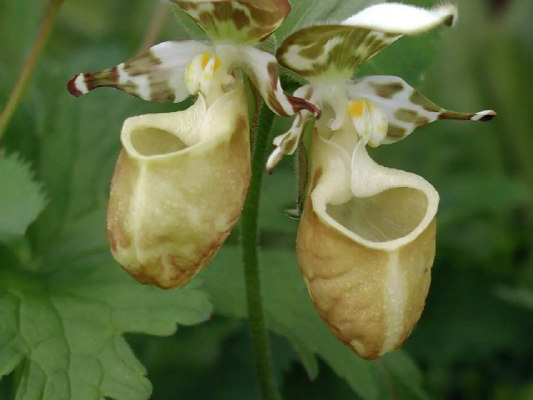
Many of these rare species thrive within the protected confines of the “Vulkany Kamchatki” Nature Parks Network. For instance, the Nalychevo cluster alone is home to 561 vascular plant species, including ten critically endangered varieties such as Yatabe’s Lady’s Slipper and Nodding Helleborine, underscoring the region’s importance as a global biodiversity hotspot.
“Primroses are not merely a ‘bouquet for a day,’ but an integral part of a complex ecosystem, the culmination of millions of intricate biological processes and natural adaptations,” states the “Vulkany Kamchatki” Nature Parks Network. “Grant them the chance to bloom and propagate – ensuring that next spring on Kamchatka will be just as vibrant.” This sentiment resonates beyond local borders, serving as a powerful reminder of humanity’s shared duty to protect the planet’s diverse flora, fostering a harmonious coexistence that benefits all.