On the remote and breathtaking Kamchatka Peninsula, Russia’s South Kamchatka Nature Reserve, known locally as “Yuzhno-Kamchatsky,” recently marked its 43rd anniversary. Established in April 1983 to safeguard the pristine landscapes of the peninsula’s southern tip, this vital protected area falls under the meticulous stewardship of the renowned Kronotsky Nature Reserve. Spanning the rugged coastlines of both the Okhotsk Sea and the Pacific Ocean, its boundaries encompass not only a rich array of marine and terrestrial ecosystems but also the powerful hydrothermal systems of the Koshelev volcano. Its exceptionally stringent visitation regulations effectively elevate its status to that of a strictly preserved wilderness, crucial for global biodiversity.
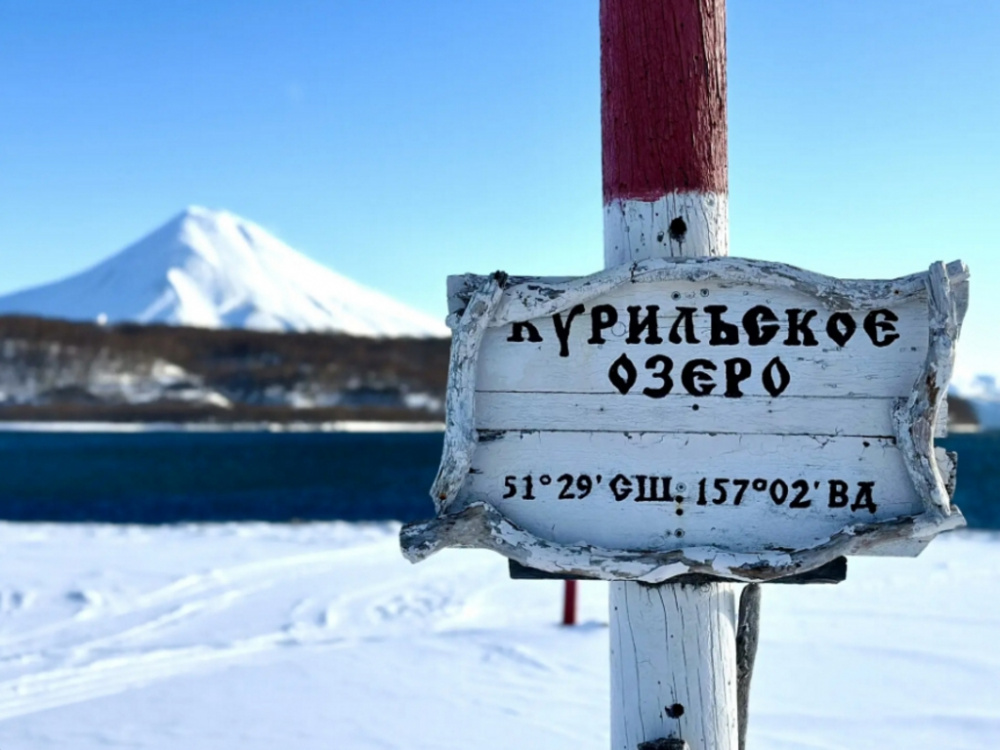
At the very core of this unique ecological tapestry lies Kurile Lake, the deepest and second-largest freshwater body in the region. This magnificent lake serves as the primary spawning ground for the largest wild sockeye salmon population on the entire Asian continent. The abundance of these Pacific salmon forms a critical food source, sustaining robust populations of iconic brown bears and various marine mammals that thrive in the surrounding waters. Beyond its ecological significance, the sheer volume of salmon returning to spawn also acts as a vital economic indicator, underpinning the stability and prosperity of the fishing industries throughout the Kamchatka Krai.
Recognizing the escalating pressures on these delicate ecosystems, significant steps were taken in 2026 to bolster control over the region’s invaluable biological resources. With substantial financial backing from Russia’s Presidential Nature Fund, a crucial program titled ‘Ozernovskaya Sockeye – For Me, For You, For Us’ was launched. This initiative is designed to expand the ranks of nature inspectors, procure advanced equipment to combat illegal fishing activities, and cultivate new generations of conservation professionals. Concurrently, the reserve’s administration is actively working to engage residents from neighboring settlements, integrating them into regulated ecological tourism ventures, thereby offering sustainable and legitimate economic alternatives to illicit poaching.
The leadership of the Kronotsky Nature Reserve emphasizes that maintaining the unique protective regime in southern Kamchatka has demanded decades of unwavering dedication from generations of inspectors and scientific researchers. Looking ahead, the paramount challenge for this vital conservation department remains preventing the degradation of these irreplaceable spawning grounds. This is a critical task in the face of rising anthropogenic pressures and a growing global interest in the region’s unparalleled natural beauty, ensuring that Kamchatka’s wild heart continues to beat strong for future generations and the wider global ecosystem.