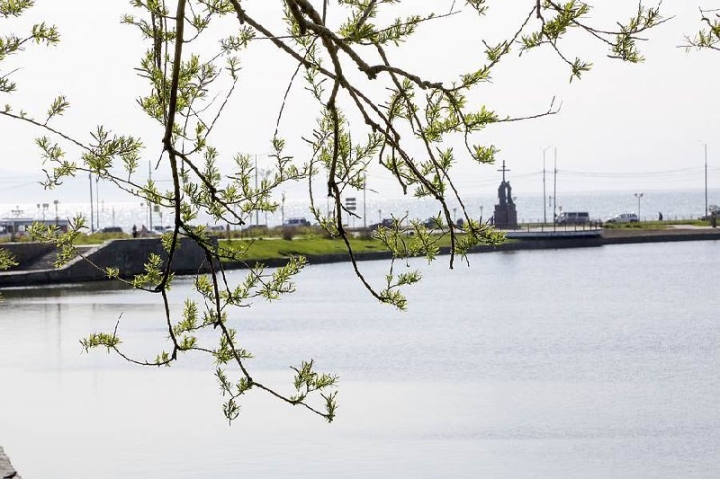
Petropavlovsk-Kamchatsky, a key urban hub in Russia’s ecologically rich Far East, is setting its sights on a significant urban renewal project, with the scenic Kultuchnoye Lake at its heart. Following a decisive public vote, plans for the lake’s comprehensive beautification will now be advanced for consideration in a prestigious All-Russian competition, signaling a national commitment to sustainable urban development and environmental stewardship in regions of global ecological significance.
The selection process involved extensive public engagement, reflecting a growing trend in citizen-led urban planning initiatives across Russia. Local residents were presented with two compelling options for enhancing their city’s public spaces: the historical area surrounding monuments dedicated to explorers La Pérouse and Bering, or the northern expanse of the Kultuchnoye Lake natural park. The overwhelming majority of online votes cast favored the lake, a decision subsequently ratified by the city’s public commission, underscoring strong community desire for green infrastructure development.
With the public mandate now firmly established, the city administration is actively preparing the necessary documentation for submission to the All-Russian competition for the best projects creating a comfortable urban environment. Should the Kultuchnoye Lake project emerge victorious, its extensive beautification is slated to commence in 2027. This initiative is seen as a crucial step in transforming the urban landscape while preserving valuable natural heritage, aligning with broader national and international environmental agendas.
This ambitious local endeavor is also intrinsically linked to wider federal environmental strategies. The regional Ministry of Natural Resources had previously announced in December that preparatory beautification work on Kultuchnoye Lake is already planned for the current year under the federal ‘Water of Russia’ project. This comprehensive approach anticipates a phased restoration, with the crucial clearing of the lake’s aquatic zone projected for completion between 2027 and 2028. Such sustained efforts highlight Russia’s long-term vision for preserving and revitalizing its natural assets, particularly in unique ecosystems like the Kamchatka Peninsula, which holds immense biodiversity and strategic importance on the global stage.