The Koryak Nature Reserve, a jewel of Russia’s Far East and one of the planet’s most formidable yet vital protected areas, is marking its 30th anniversary. Established on December 26, 1995, this northernmost and most challenging-to-access sanctuary on the Kamchatka Peninsula stands as a testament to dedicated conservation efforts in a region of immense global ecological importance, operating under the expert management of the Kronotsky Nature Reserve.
Spanning a breathtaking expanse of diverse ecosystems, the reserve is a critical stronghold for global biodiversity. It diligently preserves vast wetland habitats teeming with avian life, robust marine ecosystems within the rich Bering Sea, and the distinctive Beringian forest-tundra – a rare natural zone whose conservation is of particular scientific interest globally.
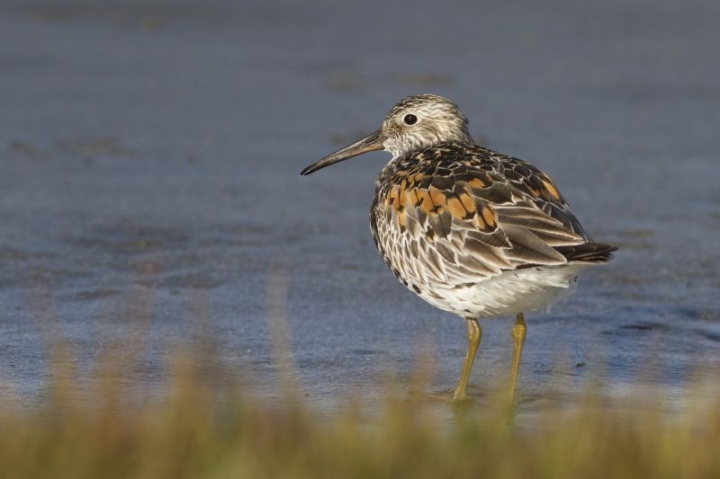
The Koryak Reserve’s remarkable ecological mosaic is comprised of three distinct clusters. Cape Govena serves as an indispensable haven for marine birds and mammals, its dramatic fjords adding to its pristine allure. Lavrova Bay captivates with its picturesque cliffs, cascading waterfalls, and secluded sandy beaches, where wild salmon return to spawn in the river estuaries and migrating whales can be observed in its waters. Further inland, the Parapolsky Dol stands as one of Northeast Asia’s most significant sanctuaries for wetland and waterfowl species, playing a crucial role in migratory bird protection across continents. This region, encompassing parts of the Koryak Upland, is also internationally recognized for hosting Russia’s largest population of the majestic gyrfalcon, an apex predator whose health reflects the vitality of the entire ecosystem.
A defining feature of the reserve is its unique Beringian forest-tundra ecosystem, a distinct landscape dominated by dwarf pines and shrubs that has fostered specific conditions for a diverse array of animal species. Notably, this particular natural zone receives state protection exclusively within the Koryak Reserve, underscoring its unparalleled ecological value. Conservation efforts are deeply intertwined with local communities; in the village of Tilichiki, the Koryak Reserve’s ethno-ecological center actively engages residents through educational programs. These initiatives include tours exploring Koryakia’s natural heritage, eco-lessons and conservation events for children, and collaborative meetings with state inspectors – all while carefully integrating and celebrating the rich traditions of Kamchatka’s indigenous peoples, whose ancestral knowledge is invaluable to sustained stewardship.
Protecting this vast and often unforgiving landscape demands extraordinary dedication. Operational teams maintain constant vigilance, conducting extensive patrols across the reserve. This year alone, rangers covered an astonishing 405 kilometers on foot, 4,746.9 kilometers by vehicle, and 1,345 kilometers by sea, demonstrating the sheer scale of their commitment. Remarkably, despite these intensive surveillance efforts, no violations of the reserve’s strict protection regime were detected, a testament to effective management and local awareness. Vsevolod Yakovlev, Acting Director of the Kronotsky State Nature Reserve, underscored the profound challenges: “Despite the remoteness, complex logistics, and harsh climatic conditions, we continue to responsibly and professionally carry out our tasks for the preservation and study of the Koryak Reserve. Our dedicated protection service personnel patrol vast, challenging territories, sometimes risking their lives.” He further highlighted the crucial role of local expertise: “Our cohesive team includes long-time residents of the Kamchatka North, who possess deep knowledge of their region’s history and are keepers of the unique culture of the indigenous small-numbered peoples,” emphasizing the vital human element behind this global conservation success story.