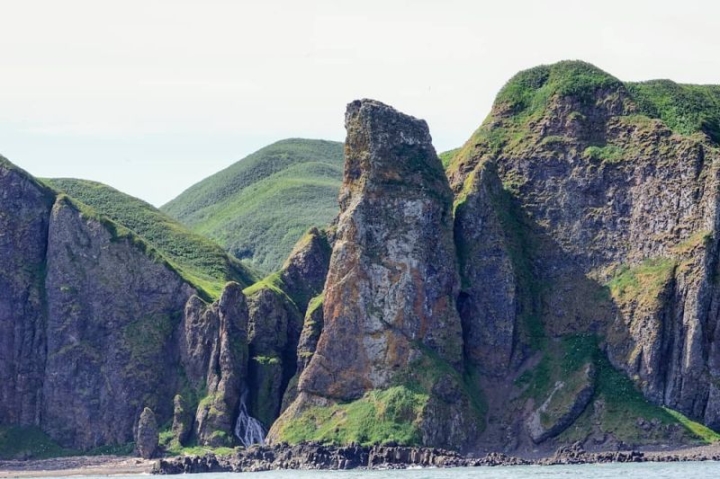
Kamchatka, a peninsula of unparalleled natural grandeur in Russia’s remote Far East, stands as a testament to the Earth’s raw, untamed power. As the world observed International Mountain Day on December 11th, the Kronotsky Nature Reserve underscored how profoundly this designation resonates with the very essence of Kamchatka’s identity, a landscape where peaks dominate the horizon.
Indeed, the peninsula’s topography is overwhelmingly defined by its majestic mountain ranges and active volcanic chains. For those accustomed to Kamchatka’s dramatic horizons, the absence of towering peaks in flatter regions often evokes a profound sense of longing for their native, breathtaking vistas. It is a landscape that constantly draws the eye upward, a perpetual panorama of geological spectacle.
From the remote outposts of the Kronotsky Nature Reserve and the South Kamchatka Federal Sanctuary, state inspectors and researchers are greeted daily by awe-inspiring views of soaring hills, jagged mountain ridges, and colossal volcanoes. The Koryak Nature Reserve’s Goven Peninsula, for instance, boasts a rugged, cliff-lined coast interspersed with picturesque bays. Further inland, the Ashkhach Ridge within the Lazovsky cluster offers, on clear days, an unobstructed gaze upon the fiery giants of the ‘Volcanoes of Kamchatka’ Natural Park, prominently featuring Eurasia’s tallest active volcano, Klyuchevskoy.
Far from being barren, these seemingly desolate volcanic and mountain vastnesses teem with an extraordinary array of life. They are home to resilient inhabitants such as the agile snow sheep, the vocal black-capped marmots, swift Beringian ground squirrels, and elusive pikas. As winter descends, wild reindeer embark on migrations to these highland areas, finding sustenance in the exposed lichen patches.
Even Kamchatka’s iconic brown bears, renowned for their size, occasionally demonstrate surprising prowess in rock climbing, with many establishing their winter dens at the very base of volcanoes or along the slopes of hills. Amidst this formidable terrain, the delicate beauty of alpine vegetation provides a vibrant contrast, proving that life finds a way, even in the most extreme and imposing environments.