Scientists at the Kronotsky Nature Reserve in Kamchatka have conducted their first behavioral study of a wild animal using a mounted action camera and a GPS collar. The research took place during the summer and early autumn in the Kronotsky-Bogachevskaya tundra.
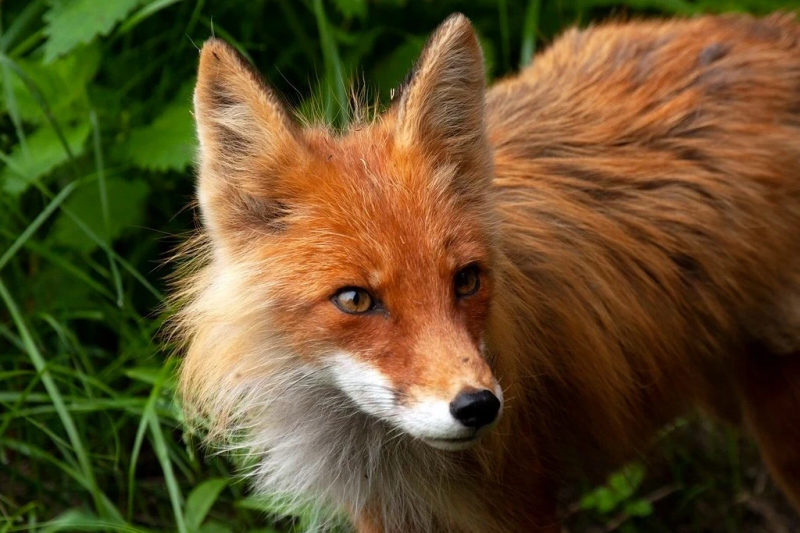
The subject of the study was a red fox named Victoria, given the name by state reserve inspectors after she drove a wolverine away from the Aerodrom ranger station. Video recorded by the collar-mounted camera provided researchers with views inside the fox’s den and documented her nocturnal foraging habits.
Senior researcher and theriologist Alexander Shienok presented the findings after decoding telemetry data from the tracker, enabling specialists to reconstruct the animal’s movement trajectories across her range.
“According to the GPS collar data, the fox maintained a fairly extensive territory spanning several kilometers,” Shienok said. “She used at least three dens for resting. At one point, the animal began actively visiting forested areas, possibly in search of voles. From late August onward, the fox undertook particularly long trips, eventually swimming across the Kronotskaya River and roaming along the opposite bank.”
The fox continues to appear near the Aerodrom ranger station, where reserve inspectors continue to monitor her presence and may document further movements.