In a significant push to safeguard its globally vital aquatic ecosystems, authorities in Russia’s Kamchatka Peninsula have reported a substantial crackdown on illegal fishing activities. Fisheries inspectors successfully apprehended nearly 100 individuals and confiscated hundreds of kilograms of illicitly caught fish within a single week, underscoring the ongoing battle against poaching in the region’s rich waters. This operation reflects a continuous effort to protect the Far East’s valuable natural resources from exploitation.
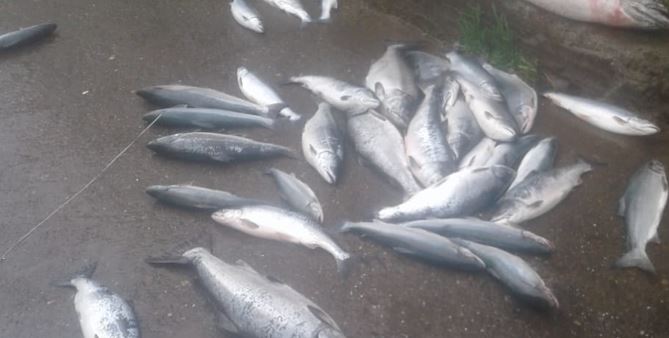
The week-long series of enforcement raids, conducted by employees of the Federal Agency for Fishery (Rosrybolovstvo), led to the apprehension of 97 violators across Kamchatka’s waterways. Alongside the arrests, inspectors seized over 228 kilograms of illegally obtained fish, preventing its entry into illicit markets. The operation also resulted in the confiscation of six vehicles and 36 pieces of illegal fishing equipment, crucial tools used by poachers in their environmentally damaging activities.
The regional territorial administration of Rosrybolovstvo highlighted the comprehensive nature of its anti-poaching measures. A force of 18 operational groups, complemented by 24 stationary surveillance posts, is continuously deployed across the region, demonstrating the persistent and widespread effort required to combat these illicit operations. The severity of these violations is further underscored by the fact that authorities are currently considering initiating criminal proceedings in at least one of the cases, signaling a firmer stance against repeat or large-scale offenders.
Kamchatka is renowned worldwide for its pristine environment and abundant salmon runs, which are critical for both ecological balance and the global seafood industry. Illegal fishing not only depletes these precious resources but also undermines legal fisheries, distorts market prices, and often contributes to broader environmental degradation. The consistent efforts by Russian authorities to curb poaching in this vital region are therefore not just a domestic matter but resonate with international conservation efforts and the integrity of global supply chains. The fight against illicit fishing remains a cornerstone of responsible resource management, essential for preserving one of the planet’s most significant natural bounties for future generations.