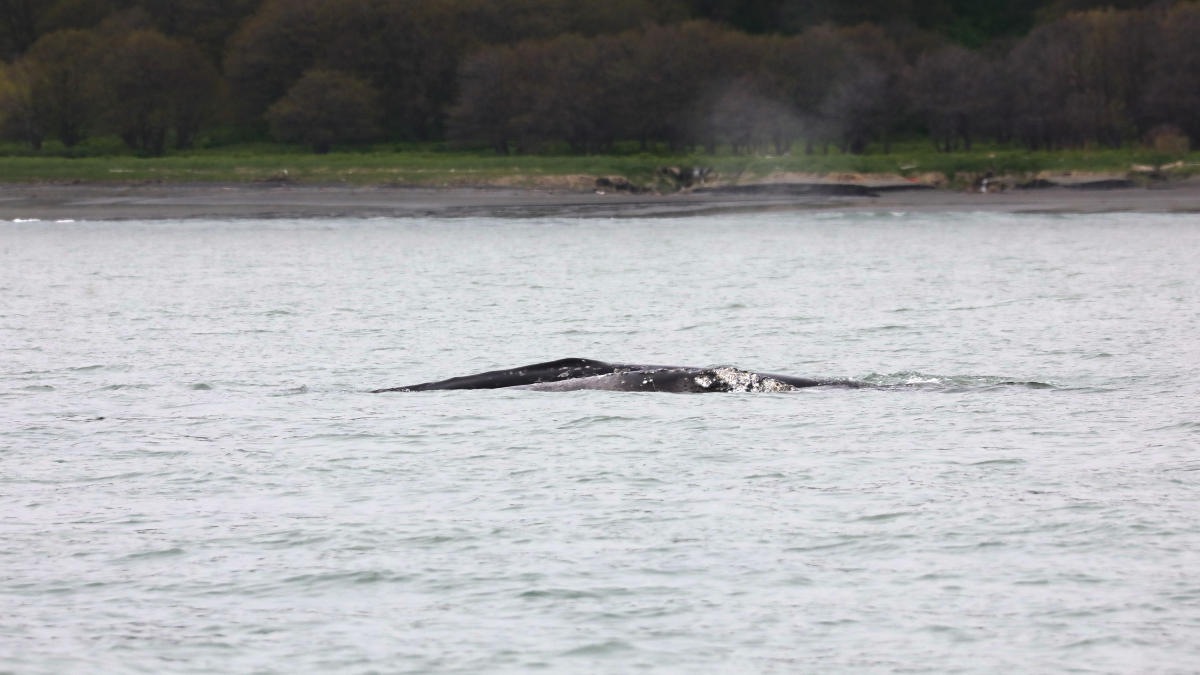
The pristine waters of Kronotsky Bay off Russia’s Kamchatka Peninsula have welcomed a remarkable sight: the first gray whale mother and her newborn calf of the current season. This extraordinary arrival marks the culmination of an arduous 8,000-kilometer (approximately 5,000-mile) journey for the calf, born just months ago in the warm lagoons of Mexico. Researchers at the Kronotsky Reserve have already meticulously cataloged the new member of the population, assigning it the individual identifier K267 in their regional photolog, a crucial step in monitoring these magnificent marine mammals.
Gray whale mothers, particularly those with newborns, traditionally bring up the rear of the species’ monumental annual migration. These calves, weighing around a ton at birth, enter the world between late December and early March within the sheltered, shallow waters of the Baja California Peninsula. Their initial weeks are critical, spent gaining strength and vital mass before embarking on one of the longest mammalian migrations on Earth, heading northward to the nutrient-rich feeding grounds of the Far East.
Biologists have identified the mother as K054, a familiar face in these waters. “We have known her for a long time; she also brought a calf to Kronotsky Bay in 2022,” commented Evgenia Volkova, a prominent marine biologist and head of the research project at the Kronotsky Reserve. Specialists note that the mother whale is currently exhibiting signs of severe exhaustion. The immense physiological demands of pregnancy, the epic migration route to Mexico and back, coupled with continuous nursing, exact a heavy toll on these resilient creatures. Now in the Kamchatka waters, she will immediately commence active feeding on bottom-dwelling organisms to replenish her depleted energy reserves.
In the coming weeks, scientists anticipate the arrival of additional mother-calf pairs in the bay. The subsequent months are critical for these marine mammals to rebuild their vital subcutaneous fat reserves, preparing for the next leg of their life cycle. To ensure these whales can recover undisturbed after their extensive migration and fasting period, the reserve administration strictly regulates tourism, allowing recreational vessels into Kronotsky Bay only from the latter half of the summer season.
The ongoing monitoring of this gray whale population is a cornerstone of a broader program dedicated to the study and preservation of the Okhotsk Sea grouping of gray whales, benefiting from the financial support of the Presidential Nature Fund. This initiative not only focuses on collecting essential data about these animals in their critical feeding habitats but also on developing ethical guidelines for wildlife observation. Furthermore, the program actively embraces citizen science, engaging tourists and ship crews in data collection. This collaborative approach significantly expands the database on cetacean movements across the vast expanse of the Pacific Ocean, underscoring the international effort required to protect these global travelers and their fragile ecosystems.