As the world marked World Bee Day on May 20th, attention turned to the vital role these industrious insects play globally, not just in agricultural productivity but as cornerstone species within wild ecosystems. In Russia’s remote and pristine Kamchatka Peninsula, a region synonymous with dramatic volcanic landscapes and unique biodiversity, these pollinators offer a compelling study in ecological resilience and adaptation.
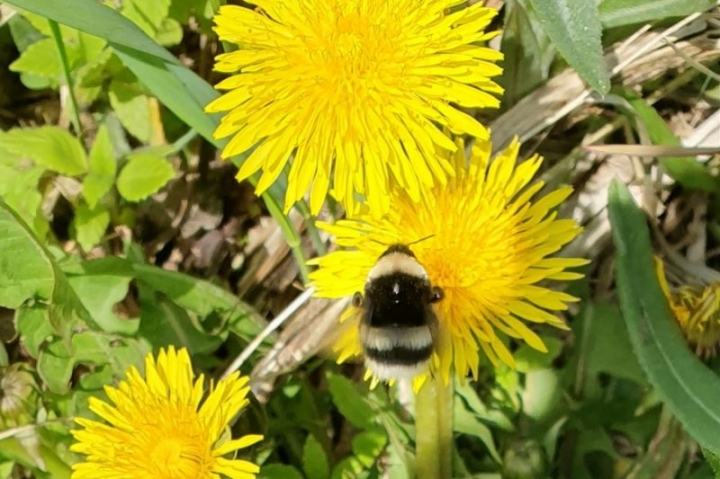
The ecological significance of bees and bumblebees on Kamchatka, particularly within its protected areas like the Kronotsky and Koryak Nature Reserves and the South Kamchatka Sanctuary, cannot be overstated. Their tireless work directly impacts the successful yield of countless flowering plants, underpinning the health and stability of these fragile northern ecosystems. The peninsula itself is home to a remarkable 36 species of bees, showcasing a rich diversity that is crucial for ecological balance.
A fascinating aspect of Kamchatka’s pollinator population is their specialized adaptation to distinct microclimates. While the bees thriving in the warm, sunny environments of the Kamchatka River valley prefer amiable weather conditions, their robust counterparts, the bumblebees, have evolved to excel in the peninsula’s often harsh coastal climate. These resilient insects are known to continue their crucial pollination duties even through overcast skies and light drizzle, ensuring the propagation of flora where other pollinators might falter.
Among these adaptable insects, bumblebees hold a special place. According to Lyudmila Lobkova, a veteran entomologist at the Kronotsky Nature Reserve, Kamchatka hosts 14 distinct species of bumblebees. Two of these are critically important, listed in the Red Book of the Kamchatka Territory, underscoring their conservation status. Recognizable by their characteristic dense, furry bodies, these crucial pollinators begin their flight as early as late April, producing their first offspring within a month, and raising several generations over the relatively short Kamchatka summer.
The intricate lives of Kamchatka’s bees and bumblebees serve as a powerful reminder of nature’s delicate balance and the profound importance of biodiversity. Their ability to thrive and perform essential ecological functions across varied and often challenging climatic conditions offers valuable insights into global conservation efforts and the broader challenges of climate adaptation facing ecosystems worldwide, making their preservation a matter of international concern.