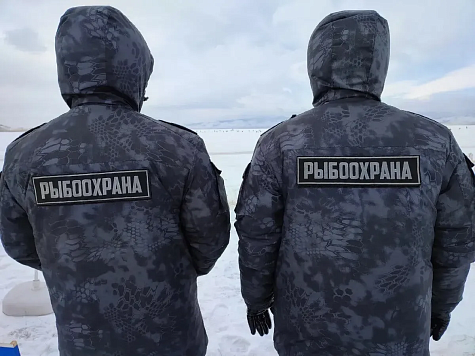
Kamchatka, a region renowned globally for its pristine wilderness and vital salmon spawning grounds, is seeing intensified efforts to combat illegal fishing. Russian fisheries inspectors have seized over 20 kilograms of illegally caught fish and apprehended dozens of violators in a series of raids conducted across the peninsula’s waterways over the past week, signaling a robust commitment to protecting these crucial natural resources.
According to the Federal Agency for Fisheries (Rosrybolovstvo) through its Northwestern Territorial Directorate, 36 individuals were apprehended for various infringements. These violations primarily included breaches of established fishing regulations, destruction of vital aquatic habitats, and attempts to evade administrative penalties, underscoring the multifaceted challenges faced by authorities. Inspectors also confiscated two illicit fishing tools, often indicative of more organized and harmful poaching activities.
The ongoing crackdown is particularly crucial as the region anticipates its annual ‘red fishing season,’ or salmon run, which officially commences on June 1st. Poachers, however, frequently begin their illegal operations much earlier, seeking to exploit the abundance before official and regulated harvesting begins. This premature and unregulated fishing poses a significant threat to the sustainability of salmon populations, which are not only ecologically vital but also economically central to the region and a source of high-quality seafood for international markets.
To counter this persistent challenge, Rosrybolovstvo has deployed 14 operational groups and established three stationary posts across Kamchatka’s extensive network of rivers and coastal areas. These teams are actively engaged in round-the-clock surveillance and interdiction efforts. The agency has affirmed its commitment to maintaining rigorous patrols, signaling a robust and continuous battle against illegal, unreported, and unregulated (IUU) fishing, which remains a significant global concern for marine conservation and food security.