A team of dedicated scientists from Russia’s Komandorsky Islands National Park is gearing up for a critical expedition to the remote and uninhabited Medny Island, signaling a significant commitment to preserving the unique biodiversity of the North Pacific. This ambitious multi-month mission, slated to commence in mid-May, will see researchers delve deep into the island’s pristine ecosystem, conducting vital scientific work and establishing long-term monitoring protocols.
At the heart of their demanding endeavor lies the urgent plight of the Medny Arctic Fox, a distinct and critically endangered subspecies whose survival hangs in the balance. Ecologists will dedicate considerable efforts to studying this vulnerable population, aiming to understand the specific threats it faces and develop effective strategies for its recovery, underscoring global efforts to prevent species extinction in remote and fragile environments.
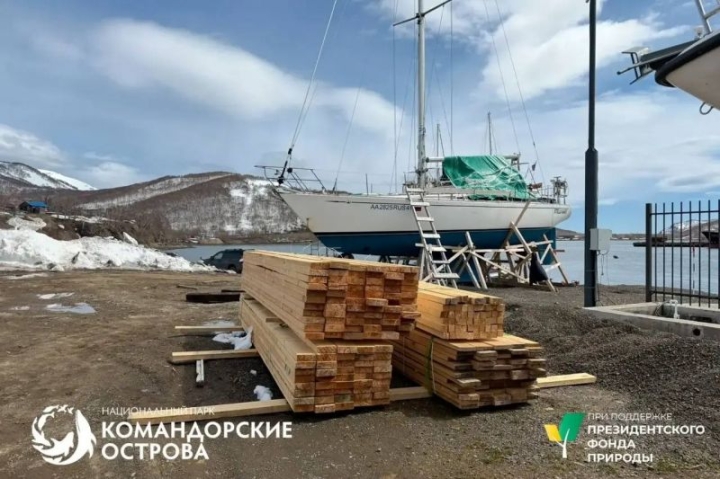
The logistical challenges for the team are immense. For several months, from May through August, the scientists will live and work in complete autonomy on the isolated island. This necessitates transporting tons of essential supplies – everything from construction materials for a new, permanent research station to provisions for daily sustenance – highlighting the rigorous planning and unwavering dedication required for such high-stakes conservation initiatives. Preparations for this complex operation are reportedly engaging the entire staff of the national park.
This extensive conservation effort has received crucial backing from the Presidential Nature Fund, which has financed the acquisition of building materials for the research station and covered the substantial costs of their transportation. Such state-level investment points to a growing recognition of the importance of environmental stewardship, even in the most remote corners of the world, positioning Russia’s contributions to global ecological preservation and scientific research on its vast territories.