The Kamchatka Peninsula, a region globally recognized for its vibrant Pacific salmon populations, is at the forefront of a significant legislative effort aimed at modernizing Russia’s aquaculture practices. Current federal law, while intended to regulate the annual release of tens of millions of hatchery-raised salmon fry, is paradoxically undermining their chances of survival and the replenishment of wild populations. Responding to this critical challenge, regional lawmakers have introduced crucial amendments to the federal “On Aquaculture” law, submitted to the State Duma, seeking to end rigid restrictions that compromise the future of these vital fish stocks.
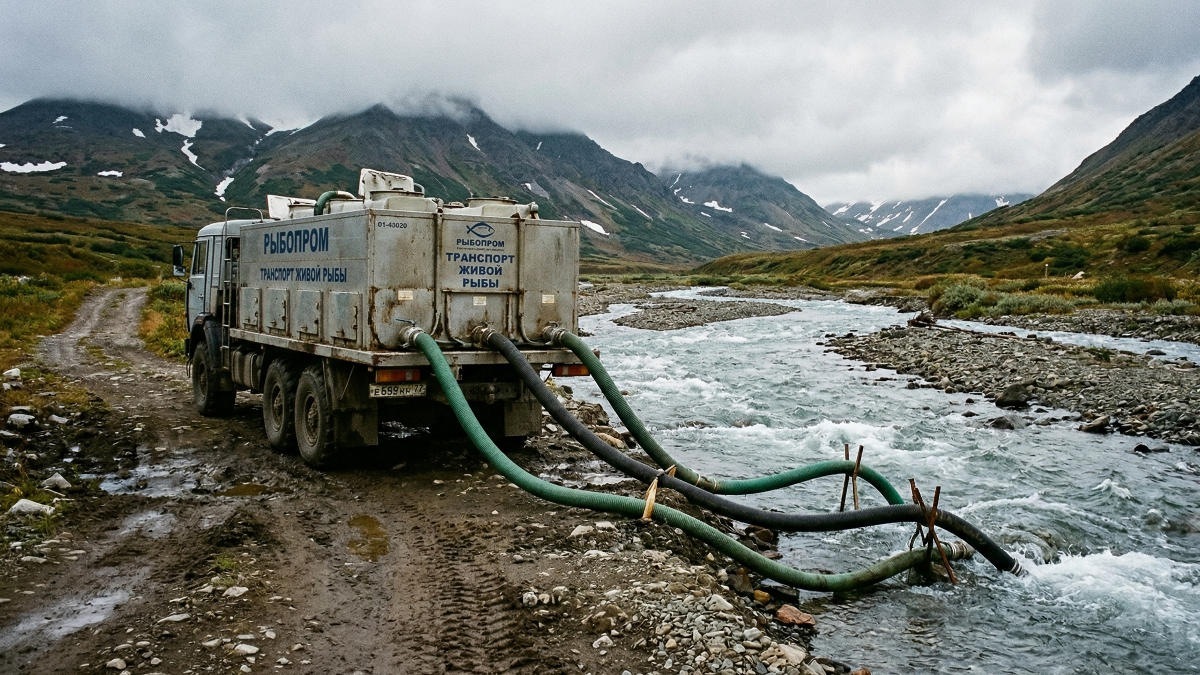
Under the existing legal framework, fish farming enterprises are compelled to release their cultivated salmon fry exclusively at pre-defined aquaculture sites. In practice, these designated locations are often inconveniently situated, frequently necessitating the transportation of young fish up to 40-60 kilometers from their hatcheries. This arduous journey, typically undertaken in specialized tank trucks, inflicts physical trauma on the delicate fry. More critically, scientists confirm that such forced relocation disrupts the salmon’s innate “homing” instinct – the remarkable biological compass that guides adult salmon back from the vastness of the ocean to the precise river of their birth to spawn.
The proposed legislative changes are designed to rectify these critical shortcomings by granting greater flexibility, allowing the release of young salmon throughout the entire river basin where a particular enterprise operates. Considering that the majority of Kamchatka’s hatcheries are strategically positioned in the upper or middle reaches of rivers, this flexibility would enable direct release into a more natural and suitable environment. Such an approach would afford the fry essential time to grow, feed, and gradually adapt to freshwater ecosystems as they naturally migrate downstream towards the sea. Eliminating the stressful and damaging transportation link is projected to dramatically increase their survival rates and, consequently, the number of adult salmon returning upstream to spawn.
The urgency and scientific validity of Kamchatka’s initiative are strongly supported by expert opinion. Specialists from the North-Eastern branch of Glavrybvod, a prominent fishery institution, have unequivocally endorsed the proposed reforms, confirming the severe detrimental impact of current transportation methods on the entire ecosystem of fish resource reproduction. This issue profoundly affects five operational hatcheries across the peninsula, which collectively release an astonishing 56 million fry annually, encompassing commercially vital species such as chum, sockeye, coho, and Chinook salmon.
A successful revision of these federal regulations would mark a monumental step forward for sustainable fisheries management in the Russian Far East. By safeguarding a larger proportion of these vulnerable young salmon, Russia stands to significantly restore and bolster its critically important commercial fish stocks. This legislative endeavor not only protects a vital ecological resource but also strengthens a key component of the region’s economy, underscoring a growing global awareness for adaptive environmental policies that better align with scientific understanding and the complex life cycles of marine species.