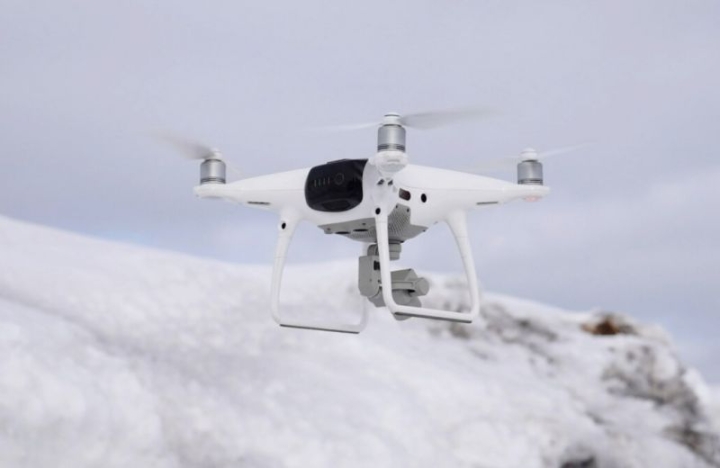
In a significant move bolstering its environmental stewardship, the Kamchatka Peninsula, a remote and ecologically vital region in Russia’s Far East, has expanded its aerial surveillance capabilities to protect its vast forestlands. The fleet of unmanned aerial vehicles (UAVs) dedicated to forest monitoring has grown to 18 units, a development reported by Kamchatka.Today and confirmed by the regional Ministry of Forestry and Hunting. This strategic upgrade underscores a growing trend in leveraging advanced technology for resource management in challenging environments, a model potentially applicable globally for sustainable development efforts.
These advanced drones are deployed across the peninsula for a multifaceted approach to conservation. Their primary missions include meticulously controlling adherence to fire safety regulations within the forests, identifying and documenting instances of illegal timber harvesting, and rigorously verifying the quality of post-logging site clearing operations. This technological integration aims to enhance efficiency and effectiveness in safeguarding one of Russia’s most pristine natural treasures, contributing to broader efforts against environmental degradation.
Andrey Lebedko, Deputy Minister of Forestry and Hunting, underscored the transformative impact of this technology. “A drone eliminates the necessity for extensive ground patrols across vast territories, enabling real-time monitoring of unauthorized human activity,” Lebedko stated, highlighting the strategic advantage these aerial assets provide in a region characterized by its challenging terrain and expansive wilderness. The use of drones by forestry services in Kamchatka dates back to early 2018, demonstrating a consistent commitment to modernizing conservation efforts and combating illicit activities.
The majority of Kamchatka’s drone fleet comprises compact quadcopters equipped with high-resolution cameras, ensuring detailed imagery for precise analysis. Further strengthening its capabilities, the region’s forestry sector last year incorporated three new ‘Geoscan-801’ drones, domestically manufactured units that represent a push towards indigenous technological solutions and self-reliance in critical infrastructure. To effectively manage this growing fleet, 40 specialists have undergone comprehensive training in drone operation, ensuring proficient application of this cutting-edge technology in protecting Kamchatka’s unique ecosystems and setting a precedent for responsible environmental governance.