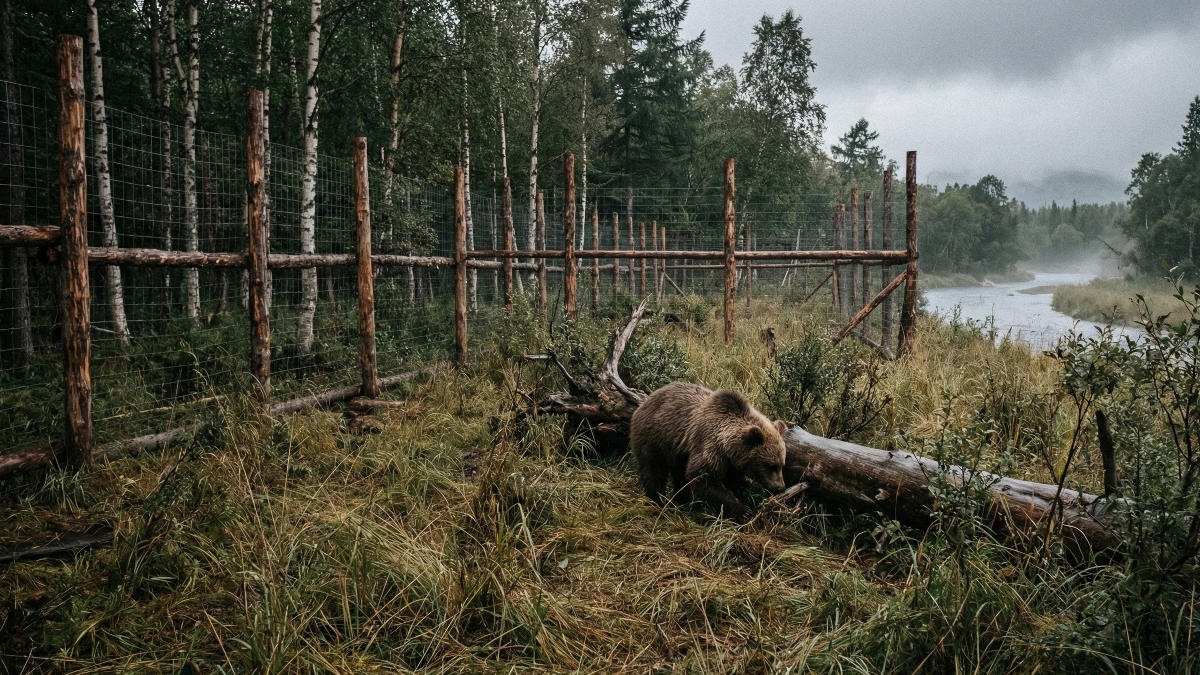
In a significant move for global biodiversity and wildlife conservation, the remote and ecologically pristine Kamchatka Peninsula in Russia has officially established ‘Bear Land,’ a new specially protected natural territory. The regional government has signed a decree designating over 74 hectares (approximately 183 acres) for the creation of a specialized center dedicated to the rescue and rehabilitation of wild animals. This initiative marks a crucial step in addressing the escalating challenge of human-wildlife interaction in one of the world’s most unique ecosystems.
Discussions surrounding the urgent need for such a sanctuary on the peninsula have been ongoing for several years, driven by a noticeable increase in reports of orphaned bear cubs requiring human intervention. This formal establishment transforms a long-standing environmental concern into tangible action, providing a vital haven for creatures in distress. The center is strategically located in the Yelizovsky District, near the village of Razdolny, positioning it well to serve the region’s diverse wildlife.
The visionary behind this ambitious project is the Environmental Protection Fund of Nature Defenders, spearheaded by Petr Shpilenok, a respected conservationist who previously led the renowned Kronotsky Nature Reserve. Operating under a recreational status, the ‘Bear Land’ territory will balance stringent nature protection with essential educational outreach and scientific research, fostering a connection between the public and the natural world while advancing conservation knowledge.
At its core, ‘Bear Land’ will provide critical veterinary and ambulatory care to animals suffering from injuries, illness, or abandonment. Specialists will meticulously nurse these patients back to health, preparing them for a successful return to their natural habitat. For those individuals whose health conditions or loss of survival skills deem them unfit for reintroduction into the wild, the center will offer permanent sanctuary or facilitate their transfer to appropriate specialized nurseries and zoological institutions, ensuring their well-being.
Beyond immediate rescue and rehabilitation, the fund’s staff is committed to significant scientific endeavors. The center plans to meticulously study the underlying causes of human-wildlife conflicts, a growing global issue, and develop proactive strategies for their prevention. Furthermore, ‘Bear Land’ will host ecological education programs tailored for both local communities and tourists, with access rules thoughtfully established by the fund’s leadership to promote responsible interaction and awareness.
The designated protective status imposes stringent restrictions on the use of these vital hectares. Within the boundaries of ‘Bear Land,’ activities such as logging, altering riverbeds or underground water sources, and mineral exploration or extraction are strictly prohibited. Any proposed construction, including roads, power lines, or pipelines, will necessitate special government approval, underscoring the commitment to preserving the area’s pristine condition. Industrial facilities, cattle grazing, and unregulated vehicle movement are also forbidden, with transport permitted only on designated routes and parking areas. Warning signs will soon delineate the perimeter and approach routes, reinforcing these crucial conservation measures.
This pioneering effort in Kamchatka not only safeguards Russia’s iconic wildlife but also offers a compelling model for international cooperation and best practices in conservation. ‘Bear Land’ represents an investment in the future of biodiversity, demonstrating a proactive approach to mitigating the impacts of human expansion and fostering a sustainable coexistence with the natural world.