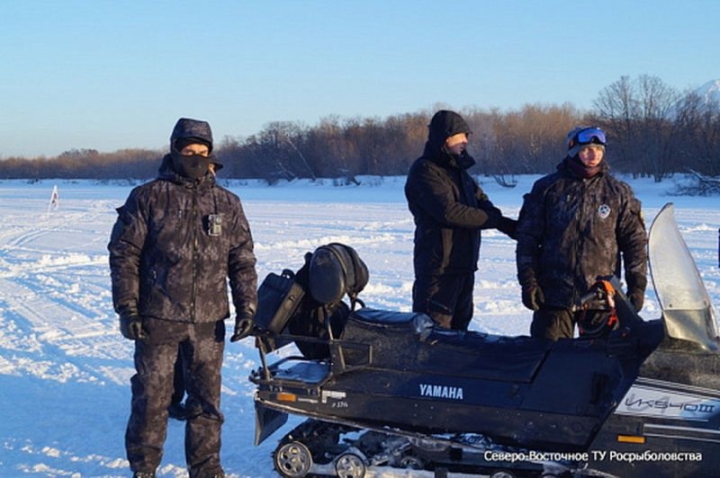
Russian fishery inspectors in the ecologically vital Kamchatka Peninsula have apprehended 21 individuals engaged in illegal fishing activities during a focused operation conducted last week. Between February 2nd and 9th, authorities from the Southwestern Territorial Directorate of the Federal Agency for Fisheries (Rosrybolovstvo) intensified their patrols across the region’s extensive waterways, underscoring ongoing efforts to combat illicit resource exploitation in one of the world’s most pristine natural environments.
The comprehensive raids resulted in the seizure of over 43 kilograms of illegally obtained fish, along with six pieces of prohibited fishing gear. Administrative cases have been initiated against all apprehended poachers, signaling the Russian government’s firm stance against violations of its stringent environmental and fisheries regulations. This consistent enforcement action highlights the persistent challenges posed by illegal fishing to Kamchatka’s unique biodiversity and its economically critical fishing industry.
To maintain continuous vigilance and deter illegal activities, the territorial department of Rosrybolovstvo currently deploys 13 specialized operational groups. These teams are complemented by one stationary post, strategically positioned to monitor key areas prone to poaching. Such dedicated resources reflect Russia’s commitment to protecting its vast natural heritage, particularly in regions like Kamchatka, which are renowned for their rich salmon populations and untouched wilderness, holding significant global ecological value.
The fight against poaching in Kamchatka extends beyond local law enforcement; it resonates with broader international concerns regarding sustainable fisheries and marine conservation. The illicit harvesting of marine and freshwater resources by organized groups not only undermines legitimate economic activities and depletes vulnerable fish stocks but also poses a threat to sensitive ecosystems globally. Robust national enforcement, as demonstrated by these operations, plays a crucial role in safeguarding these invaluable assets for future generations and upholding global conservation standards.