Scientists conducting extensive biodiversity surveys in Russia’s remote Kronotsky Nature Reserve on the Kamchatka Peninsula have reported significant shifts in small mammal populations, offering crucial insights into the health of this globally significant, volcanically active ecosystem. Research from 2025 reveals a surprising surge in root vole numbers, contrasting with a decline in other shrew and vole species, signaling potential ecological adjustments within this UNESCO World Heritage site.
The comprehensive study, undertaken by researchers from the Kronotsky Reserve, meticulously examined populations of rodents and insectivores across diverse habitats within the iconic Valley of Geysers and the Uzon Caldera. From steaming thermal fields to dense stone birch forests and dwarf birch thickets, the surveys aimed to evaluate species composition, population density, and demographic structures of these tiny but vital inhabitants.
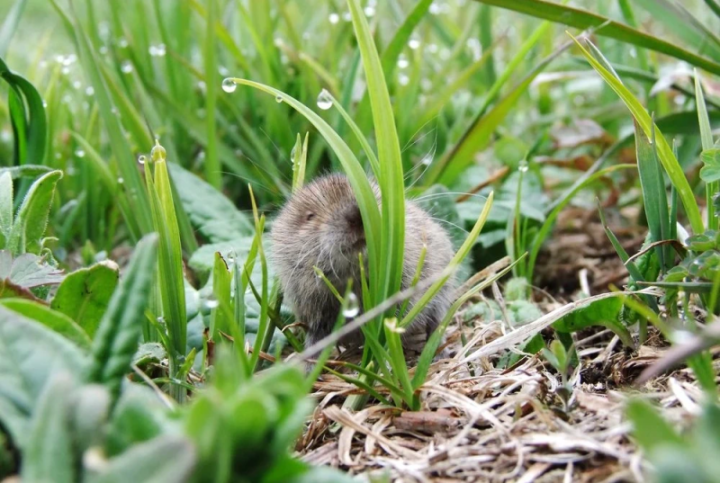
Among the most notable findings, the red vole continued its dominance as the most abundant species across all surveyed areas. However, the root vole (Microtus oeconomus), often referred to as the ‘economy vole,’ demonstrated a remarkable increase in numbers, particularly within the Uzon Caldera, where all three of the reserve’s resident vole species—red, red-backed, and root voles—were present. This rise in root vole populations stands in stark contrast to previous observations.
Conversely, researchers documented a decrease in both red-backed voles and shrews compared to figures from 2014-2015. Intriguingly, the large-toothed shrew, absent from previous field studies between 2013 and 2016, reappeared in the Valley of Geysers, alongside the even-toothed shrew, adding another layer of complexity to the region’s faunal dynamics. These fluctuations underscore the delicate balance of predator-prey relationships and resource availability in such sensitive environments.
According to Alexander Shienok, a senior researcher at the reserve, these small mammals serve as critical bio-indicators, their population trends often reflecting broader environmental changes, including shifts in climate, vegetation, and food sources. The highest diversity and abundance of these creatures were observed in the stone birch forests, while dwarf birch and blueberry thickets showed the lowest numbers. Continued monitoring of these populations is essential for understanding the long-term ecological trajectory of Kamchatka’s unique landscapes and for informing conservation strategies in a rapidly changing world.