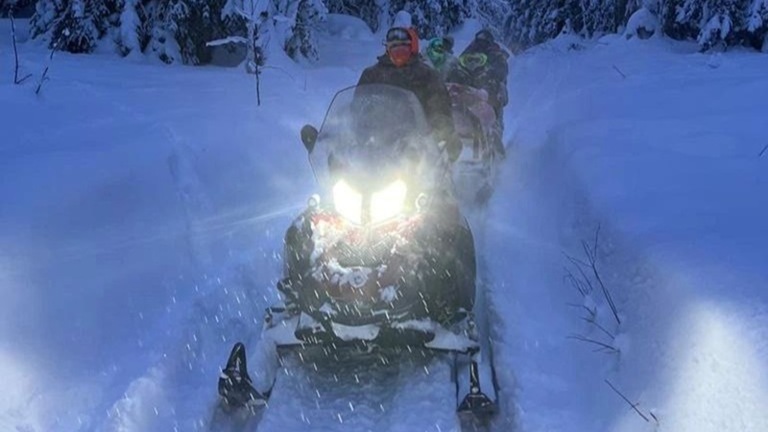
In a captivating testament to Russia’s untamed natural grandeur, the Kronotsky Nature Reserve on the remote Kamchatka Peninsula has officially unfurled its winter tourism season. This globally significant UNESCO World Heritage site, renowned for its volcanic landscapes and unparalleled biodiversity, is once again welcoming intrepid travelers to embark on its celebrated “Winter Fairy Tale” route, a journey that increasingly draws attention from international nature enthusiasts and adventure seekers.
Such pristine experiences in extreme environments are not without meticulous preparation. Before the first snowmobiles carved tracks through the pristine snow, dedicated staff at the protected natural territory engaged in extensive groundwork. State inspectors meticulously cleared pathways of fallen trees and debris, remnants of powerful winter winds, ensuring safe passage for visitors. According to Pyotr Ovchinnikov, an inspector with the Kronotsky State Reserve, the snowmobile track was expertly groomed even before the New Year holidays, with subsequent snowfalls naturally leveling the path, creating an exceptionally smooth and accessible route for the winter season.
Stretching approximately 42 kilometers one way, the breathtaking route commences in the Milkovsky district, near the reserve’s border at the Left Schapina River. Travelers are first enveloped by the unique beauty of the Schapinsky spruce forests, an uncommon coniferous expanse for the peninsula, before the landscape dramatically shifts into the expansive, snow-dusted tundra. On clear days, the journey offers unparalleled panoramic vistas of the Tumrok and Valaginsky mountain ranges, culminating in the awe-inspiring sight of the active Kizimen volcano. This majestic peak, standing at 2,376 meters, boasts a near-perfect conical shape, its summit adorned with solidified lava and perpetually active fumaroles, painting a striking picture of geological dynamism.
The inaugural group of the season, comprising a dozen residents from Kamchatka, experienced these wonders firsthand during the latter half of the recent holiday period. Following a comprehensive safety briefing at the ‘Ipuin’ cordon, the adventurers, escorted by a knowledgeable inspector, embarked on their journey to the ‘Kipyely’ cordon, their designated overnight stop. Alexander Sevostyanov, CEO of the ‘Prichal’ tourist company, lauded the current season’s trail conditions as the best in the route’s operational history, enabling the group to reach their destination in a swift three hours, a testament to the effective preparations.
The ultimate reward of this winter expedition lies at the Kipyely, or Nizhne-Schapinsky, hot springs. Here, nature crafts a truly magical spectacle, with water temperatures in some natural pools reaching a balmy 40 degrees Celsius. The springs derive their name from the striking visual effect of ‘boiling,’ created by powerful gas jets ceaselessly rising from the depths. Chemically, this therapeutic water bears a striking resemblance to the renowned Caucasian Narzan mineral springs, and its famed healing properties have been utilized for centuries, even by the earliest Russian settlers in the Kamchatka River valley, underscoring a deep historical connection to the land’s natural bounty.
Ensuring the utmost safety and enriching the visitor experience, state inspectors from the reserve play a crucial role throughout the journey and during stays at the cordons. These dedicated professionals not only accompany groups but also serve as vital educators, imparting knowledge about the region’s unique natural objects, its rich flora and fauna, and the intricate specifics of the ongoing conservation efforts. Their presence highlights the delicate balance between allowing access to these pristine environments and safeguarding them for future generations, a model of responsible ecotourism that resonates globally. For those eager to embark on this extraordinary winter adventure, tour packages are conveniently available through regional tourism firms.